
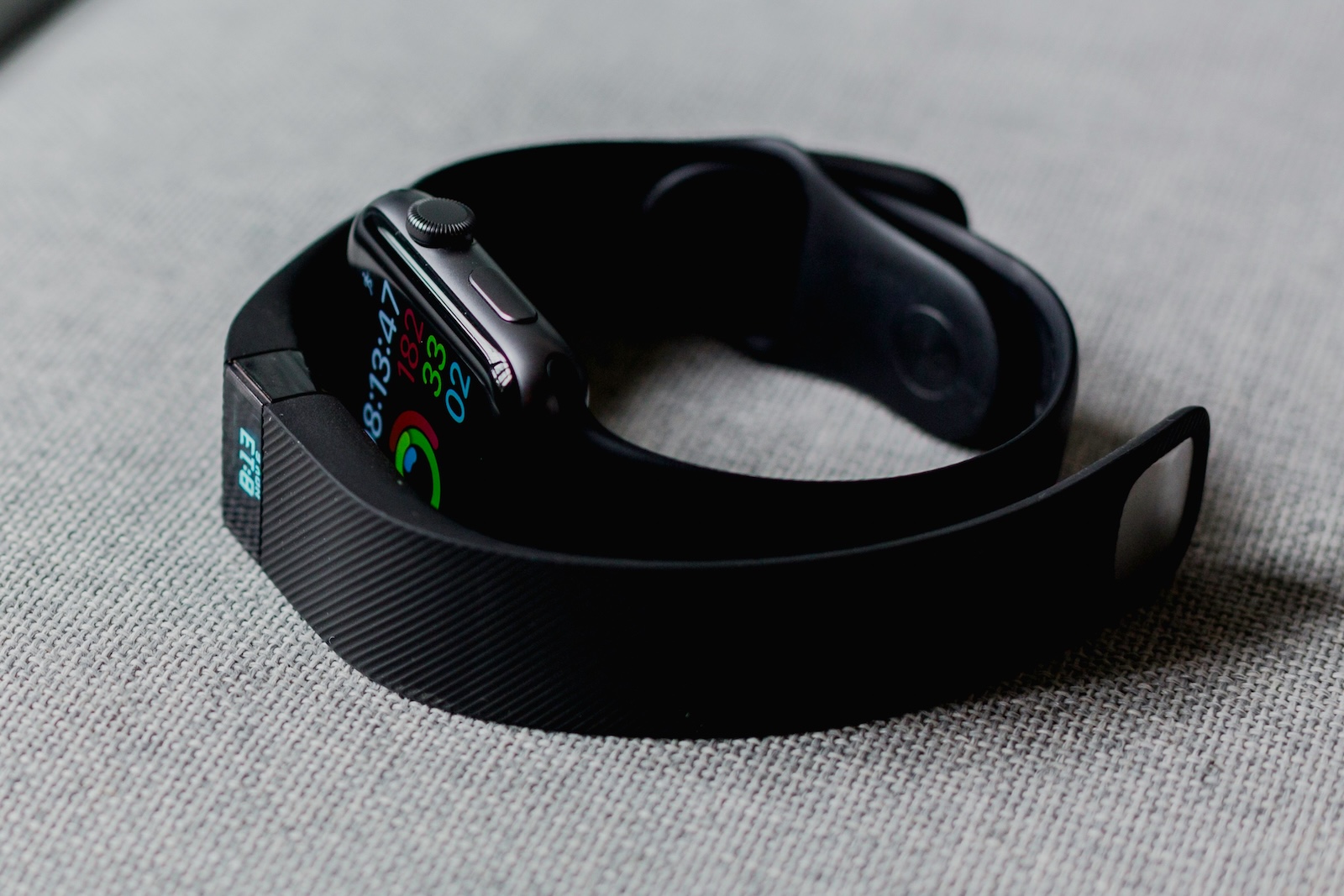
Fitbit vs. Apple Watch: How to Pick the Right Wearable for Your Life
Compare Fitbit and Apple Watch on sleep tracking, battery life, workouts, and smartwatch features to find your perfect match.
This post contains affiliate links. Stridekick may earn a commission on purchases.
You wouldn't be the first person stuck between choosing a Fitbit or Apple Watch. They're both super popular, in part because, like all fitness trackers, they help people move more, boosting daily steps by about 1,000 on average over time. So the choice comes down to which brand fits your life best.
Health Tracker vs Smartwatch
Over the years, these brands have diverged quite a lot. Fitbits are primarily health trackers with some bells and whistles thrown in, while Apple watches are more like full smartwatches that just happen to include premium health sensors. This plays out in how each device deals with notifications, battery life, workouts, and daily interactions.
The short of it is, if you want a slim, unobtrusive band that tracks essentials and lasts a week before you have to charge it again, go with Fitbit. If you want a computer on your wrist that you can text from, use Apple Pay, choose tunes, track workouts and health data, then the Apple Watch is your guy. Depending on what you want your wearable to do (and how much you want to spend), one will be the obvious choice for you.
Best for General Wellness: Fitbit
If you're mostly just trying to nail down your healthy habits and wanting a general idea of your health, Fitbit is hard to beat. Fitbit devices are designed around simple, actionable scores like the Daily Readiness Score, Sleep Score, and Stress Management Score, so it's easy to see how you're trending without drowning in data.
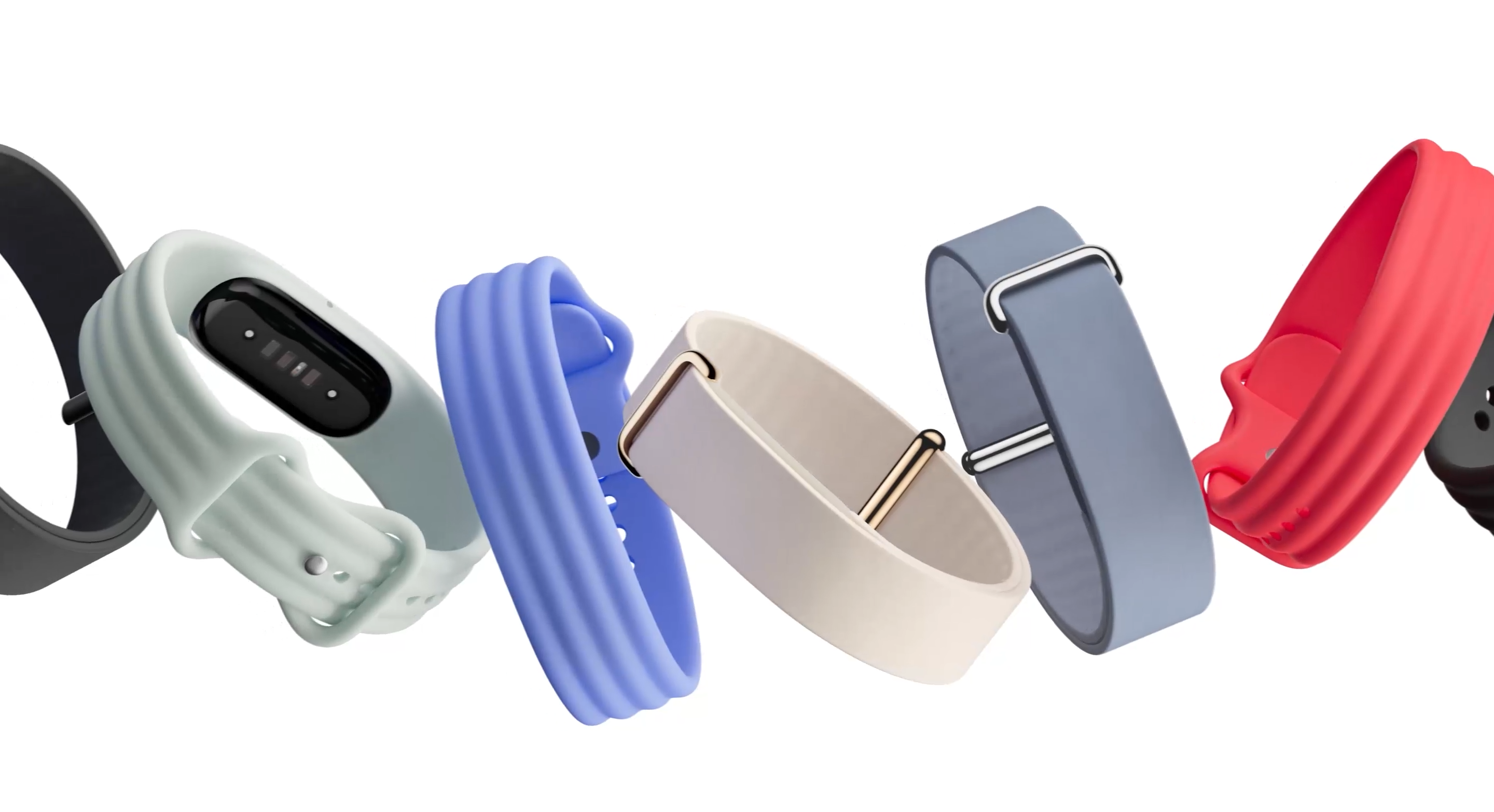
Fitbits are also much more affordable, at least at the entry level. The Fitbit Air is $99 and gives you a lot of tracking power without a subscription fee (and we're all tired of those monthly fees). That's a lot cheaper than the $249 starting price of an Apple Watch SE 3, so if you're just starting out and don't want to shell out $250, Fitbits are a great option.
Best for Strength Training and HIIT: Apple Watch
If you're doing intense workouts like heavy lifting, HIIT, sprints, or interval training, the Apple Watch's sensor keeps up better than Fitbit's (and by a decent margin). Independent testing by The Quantified Scientist, who compares wearables against medical grade equipment, has consistently ranked Apple Watch among the most accurate consumer wearables for active heart rate. The Apple Watch Series 11 hits around 86% active heart rate accuracy, compared to about 73% for the Fitbit Charge 6 and Fitbit Sense 2.
During heavy lifts, plyometrics, and short bursts of intense exercise where your heart rate spikes quickly, then dips again, having a more sensitive sensor is much more likely to track this accurately. If you want that more precise data, Apple Watches pull ahead here.
Best for Sleep Tracking: Fitbit
Fitbit has been known for its sleep tracking abilities for a while now, particularly because of its advanced algorithm that's especially good at nailing baselines and detecting when you're asleep versus tossing and turning. Fitbits are also slimmer and much more comfortable to wear to bed, which is worth its weight in gold if you've ever tried sleeping with a bulky Apple Watch on your wrist.
Apple Watch sleep tracking is still decent, but independent testing shows it can overestimate light and deep sleep stages compared to medical grade sleep monitoring. If sleep is your top priority, then Fitbit is going to give you more reliable data to work with while being easier to sleep with while wearing.
Best for Everyday Smartwatch Features: Apple Watch
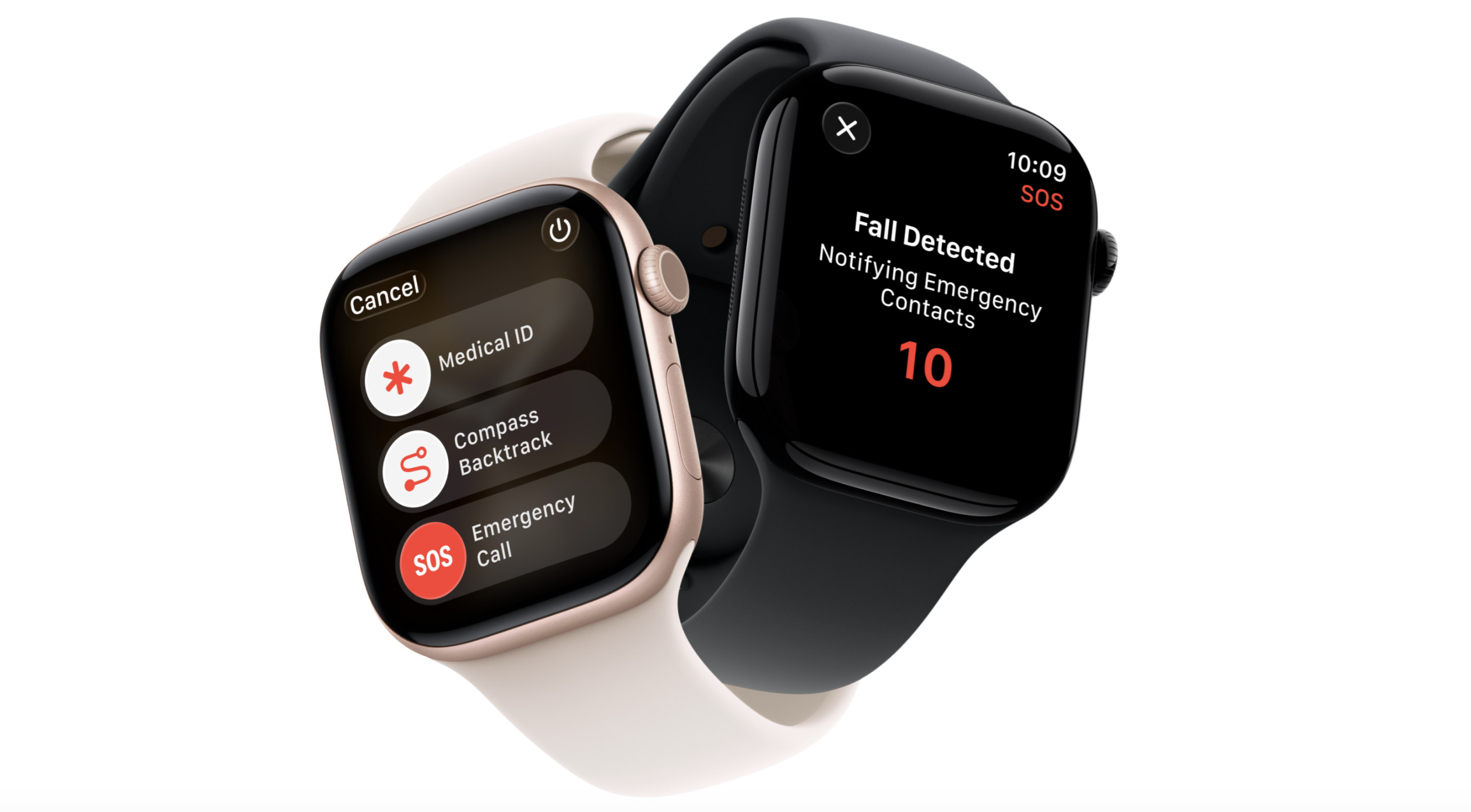
If you're already hooked into the Matrix that is the iPhone ecosystem, then an Apple Watch lets you be even more plugged in (up to you if that's a pro or con). You can use it for calls, texts, Siri, Apple Pay, Maps, Music, and third party apps, plus workout tracking, all right on your wrist. It also syncs with your iPhone, AirPods, iPad, and Mac, and Series 11 and Ultra 3 give you cellular so you don't even need to bring your phone along while running errands or during runs and workouts.
Fitbit does offer notifications, some Google Wallet features, and basic music controls on select models, but it doesn't come close to Apple's smartwatch experience. If you want your wearable to do a whole lot more than track your health, Apple Watch is the obvious pick.
Best for Battery Life: Fitbit

Fitbit wins on battery life by far. The Fitbit Charge 6 and Fitbit Air last around a week per charge, so you can wear them 24/7 without babysitting a charging cable. Standard Apple Watches need daily charging (the Ultra 3 stretches to a few days if you push it), which means you're either missing sleep tracking on charging nights or squeezing in charging time during the day.
If you want to just strap your tracker on and forget about it, Fitbit wins by a landslide.
Choose What Works For You
Figure out what's most important to you and how you tend to use any data you already track. Plus, budget is always a consideration. Basic habit building with optimal sleep tracking and battery life are Fitbit's strong suits, but if you're an iPerson and you want all the smartwatch features and more accurate active heart rate data and don't mind the annoyance of frequent charging, then Apple Watch is worth the extra dough.
Whichever you go with, Stridekick is compatible with both Fitbit and Apple Watch, so you can jump into your next step challenge with either device. Happy tracking!