
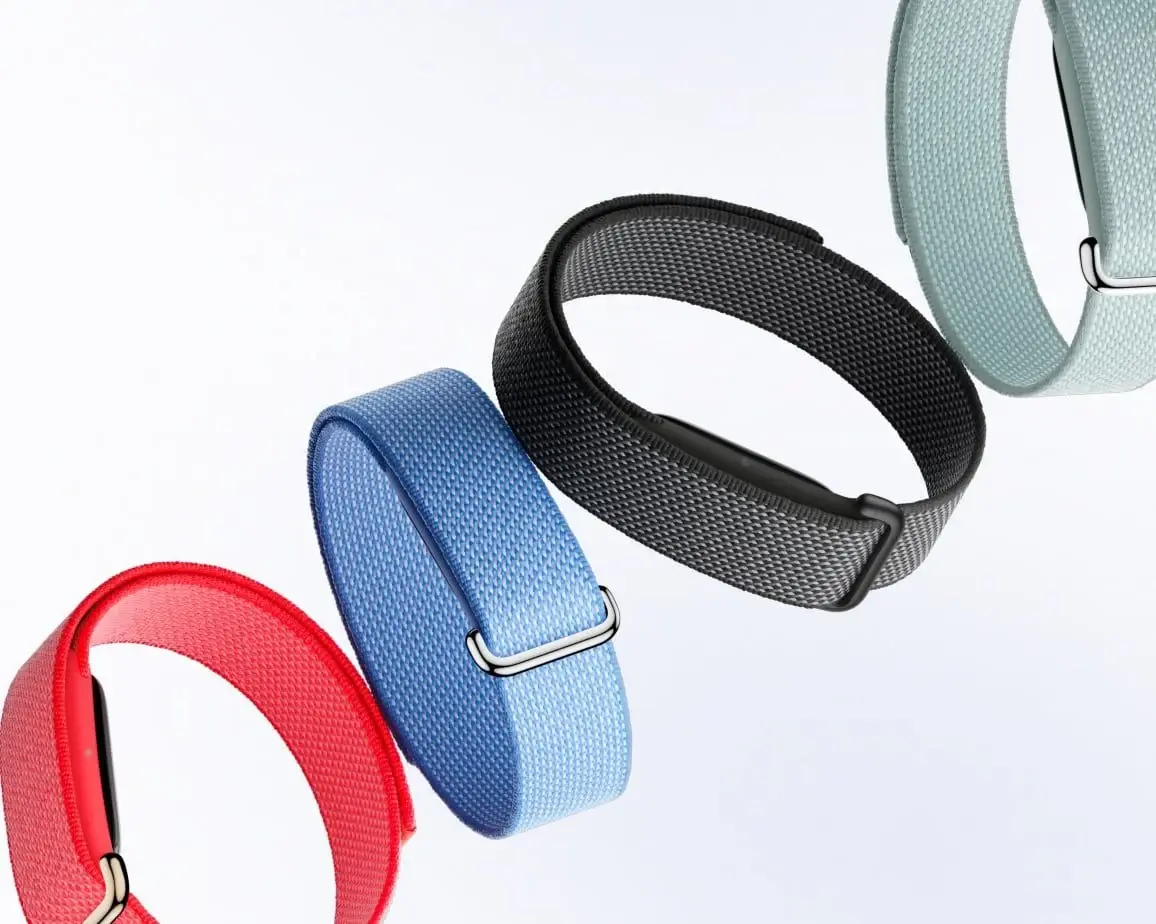
The Fitbit Air Wants to Convince You Wearables Don’t Need Screens
The Fitbit Air is a $99 screenless fitness tracker designed for distraction-free health tracking. Here’s how it compares to Whoop, what features are free, and whether Google’s new wearable is worth it.
This post contains affiliate links. Stridekick may earn a commission on purchases.
If you’ve been side eyeing your smartwatch lately and wondering if you really need it buzzing at you 80 times a day, the Fitbit Air could be the wearable that finally helps you feel a bit more balanced. Google’s newest fitness tracker is lightweight and screenless, and priced at $99, while not exactly cheap, is a whole lot easier to swallow then $400-plus smartwatches or a $200 a year Whoop subscription.
Here's what to know before opting to switch out your current gadget for the Fitbit Air.
What is the Fitbit Air
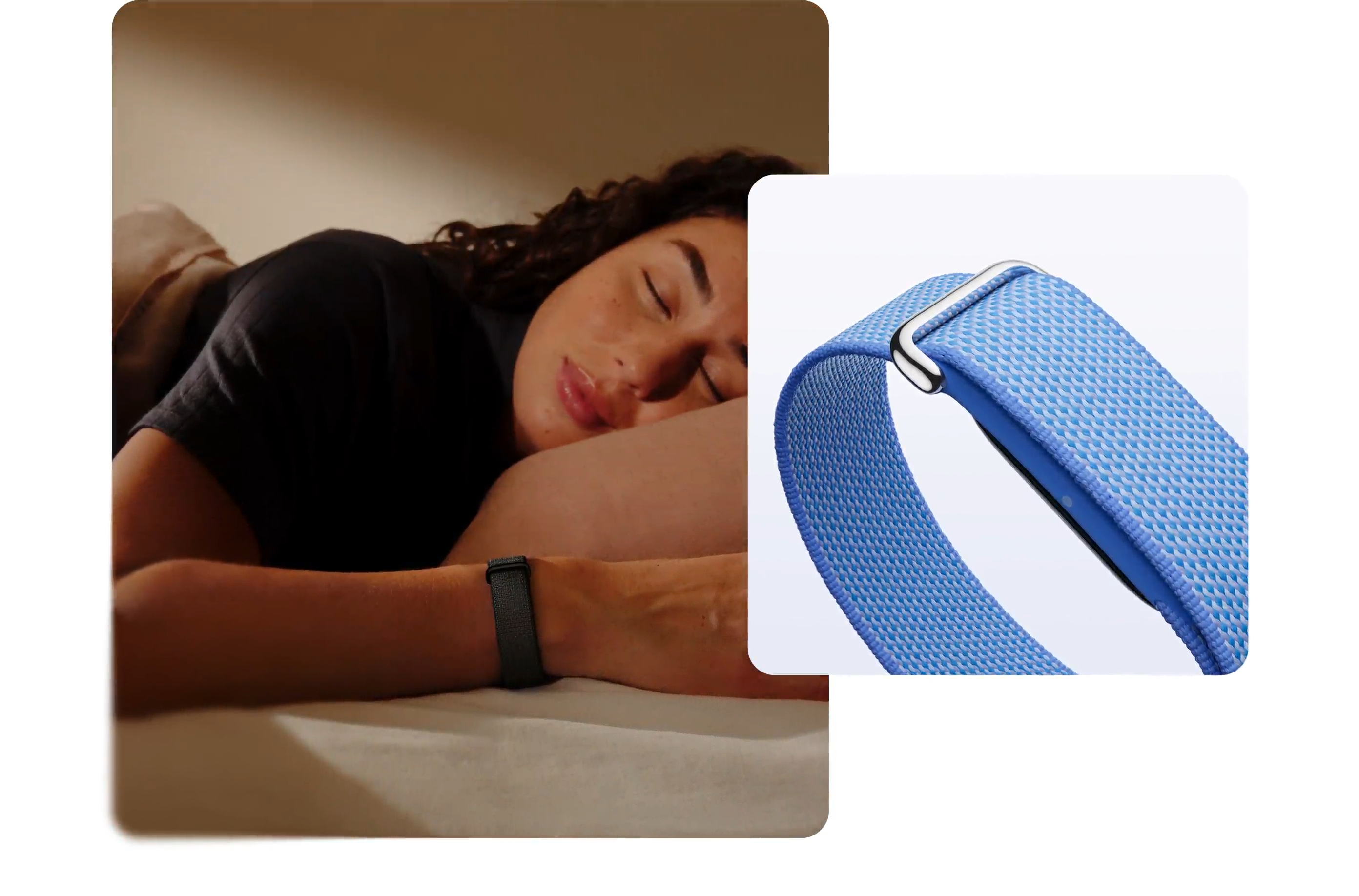
First and foremost, the Fitbit Air is a fitness tracker. It's a slim, screenless band that tracks the basics, including heart rate, steps, activity, and sleep, and runs on the Google Health app (formerly FitBit). It doesn't have a screen or any haptic notifications for texts or calls, just little buzzes for alarms and low battery alerts. Without all of the hullabaloo, it lasts about a week on a single charge.
There isn't any flashy stress tracking, either, it's very back to basics and will give you lots of data without so much distraction. The app is completely different than previous Fitbit tracking, though. Google has created a Gemini powered Health Coach which gives you personal insights, plus an "Ask Coach" function for questions about your training, sleep, recovery, and so on. This part is subscription based, though.
.webp)
How Accurate Is It?
Trackers can be notoriously inaccurate and can differ wildly from each other as well. One YouTube reviewer, The Quantified Scientist, who tests wearables against medical grade equipment, tested the Fitbit Air and the results were pretty impressive for a $99 device.
For heart rate during cardio workouts, the Air scored 97 out of 100 against a clinical grade Polar H10 chest strap. For indoor running and spinning, it matched nearly perfectly, but it struggled a little with rapid heart rate spikes during outdoor biking and weightlifting, but that's pretty typical for optical wrist sensors.
Surprisingly, sleep tracking was also very effective compared to a medical grade EEG headband. The Air scored 80 out of 100, with 87% agreement for deep sleep 80% for light sleep, and 72% for REM. Sleep stages are notoriously hard to track from the wrist, but those numbers put it in the same league as far pricier devices like the Pixel Watch 4.
With step tracking, the Fitbit Air only had about 1% overcounting, which is totally normal across the category. Unlike a lot of wrist trackers, it didn't pick up typing and gaming as steps, so you won't get freebies from sitting at your desk anymore.
.webp)
All of those accurate basics are going to be far more useful for most of us than the fancy metrics that come with pricier devices and might not even be all that reliable. And activity trackers help people move more – about 1,000 extra daily steps on average – which is decent when the really significant long term health benefits start happening when you hit around 7,000.
Free vs. Premium
All the core stuff is free with the device, including heart rate, sleep stages, steps, activity zone minutes, basic workout tracking, with no subscription needed.
Google Health Premium ($9.99/month or $99/year) unlocks the Gemini AI coaching, personalized insights, and the Ask Coach feature. One thing worth knowing is that if you skip Premium now and decide to upgrade later, the AI coaching insights don’t apply retroactively to your old data. So if the coaching is the main draw, you’ll want to start that subscription early.
Google’s AI coach is currently more generalized than Whoop’s training specific algorithms (like its marathon prep guidance), which will likely change over time, but for now it's not as specific. Unless you want that more precise training advice, you'll do well with the Fitbit Air for most activities.
Fitbit Air vs. Whoop
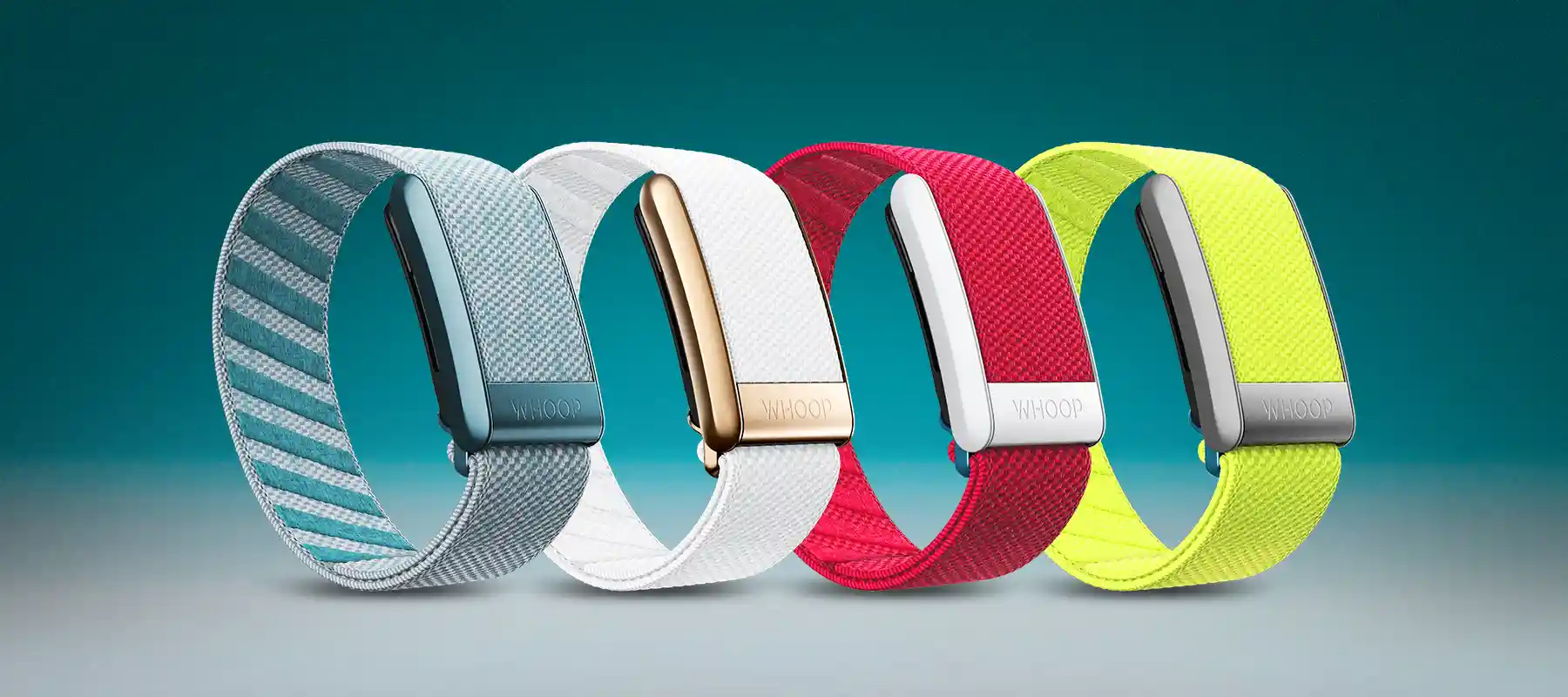
Both of these are the big screenless trackers on the market, so comparing them comes naturally. Whoop has a 14-day battery life compared to Fitbit Air's 7 days. Whoop is more focused on lots of data, with graphs and insights, while Google's app is more text based and conversational. Whoop has more sophisticated training algorithms as well.
Whoop will run you $199 to $239 every year for the subscription (you can't use one without a paid sub), but Fitbit Air is a one time purchase of $99.99. Over five years, you'd pay over $1000 for Whoop versus just the original $99 for the Air (or about $600 if you tack on Google Health Premium the whole time). If you just need basic reliable data, the Fitbit Air definitely wins on value.
Who It's For
The Fitbit Air is better if you want a low profile tracker with excellent basics that won't bombard you with notifications all day. It's also a great place to start if you're curious about AI coaching but don't want to commit to a Whoop subscription.
If you're a Garmin or Apple watch fan and want metrics like running power or access to more advanced workouts or velocity based training data, the Air isn't a good replacement. But again, if all you need is daily activity tracking, sleep insights, and a bit of a nudge to help you stick to your step goal, then it's hard to argue with $99.
And of course, Stridekick is compatible with a range of popular fitness trackers, including Fitbit, so once you have your Air strapped on, you can sync your steps and jump straight into your next step challenge!