
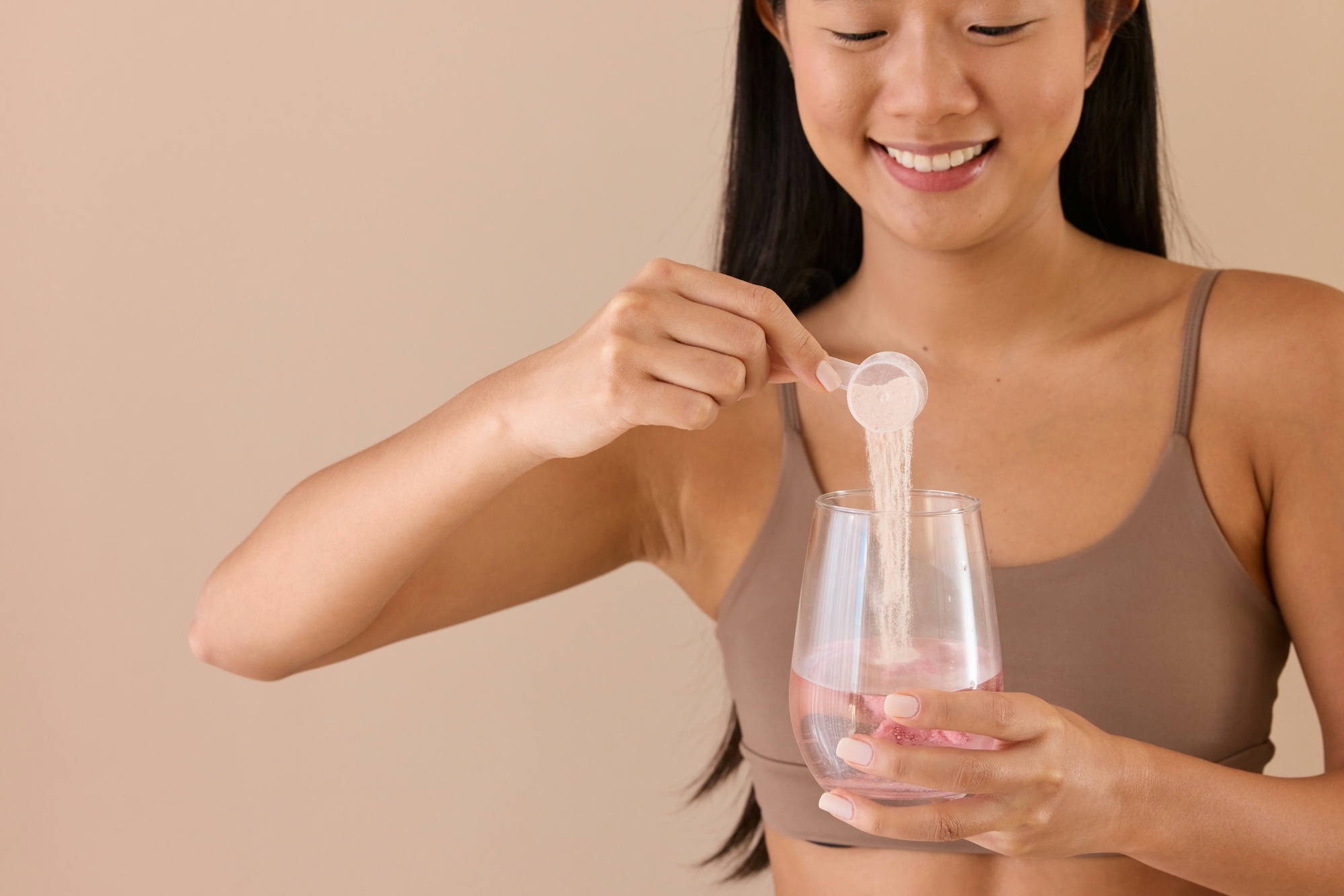
What That Big New Collagen Study Tells Us About Your Daily Scoop
The biggest collagen review ever just dropped. Here's what actually works, what doesn't, and how to choose a supplement backed by real science.
This post contains affiliate links. Stridekick may earn a commission on purchases.
Collagen has been a superstar in the supplement space for what seems like forever. It's in your coffee, gummies, protein bars, bone broth, and even skincare. So when researchers at Anglia Ruskin University recently published what they're calling the most comprehensive collagen analysis ever conducted, we put our reading caps on and dug in. The verdict… collagen does measure up to some of the hype, but only for certain uses and only when you give it enough time to work.
Here's a rundown of what the study found, and some of our favorite collagen picks from the Stridekick Shop.
What the study says
Published in Aesthetic Surgery Journal Open Forum in June 2026, this umbrella review pulled together 16 systematic reviews, 113 randomized controlled trials, and almost 8,000 participants, which is a ton of data to pull from for a single supplement. This means the findings carry a lot more weight than any typical one-off study you might see on social media or a brand's website.
Researchers organized the findings into a few categories, and three of them found great results.
Skin
Skin health and beauty is one of the biggest draws for collagen. The review found collagen supplements do improve skin elasticity and hydration if you take them for at least 8 to 12 weeks (the longer, the better). Most studies used 2.5 to 10 grams of hydrolyzed collagen peptides per day.
One caveat is the wrinkle erasing promises you see in skincare ads weren't as well supported by the data, so consider collagen to be more of a plumping, hydrating bestie, rather than an overnight Botox treatment.
Joints
Joint health is one of the most backed reasons to take collagen, according to the review results. People with osteoarthritis or activity related joint discomfort saw consistent improvements in pain and stiffness, especially with hydrolyzed collagen peptides or undenatured type II collagen (UC-II). UC-II works through a different mechanism and uses a much lower dose (around 40 mg daily) than the powders most people are familiar with.
Bones
You could see some modest improvements in bone mineral density by taking collagen, though only with specific bioactive collagen peptides (like FORTIBONE) and mostly in postmenopausal women. So, for this specific benefit, the type of collagen really does matter.
Where collagen falls short
Hate to be the bearer of mid news for the gym crowd. If you've been scooping collagen into our post-workout shake in hopes it will boost recovery or muscle growth, you're likely not getting those results.
The review didn't find any real improvements in post-exercise recovery, muscle soreness, or the mechanical properties of your tendons. You can still take collagen if you're active (it'll keep doing its skin and joint thing), but just don't expect it to replace actual recovery basics like nutrition, sleep, and smart training schedules.
How to take collagen so it works
The first thing to know is that collagen takes time. Most studies showed about 8 to 12 weeks before benefits kicked in, and that's when using them every day. So, the absolute top recommendation if you want to reap the collagen rewards is to be consistent. Giving up early is the most common mistake people make.
Hydrolyzed peptides are your best bet for skin and joint benefits, and they're the most studied form of collagen. They break down into smaller fragments your body can absorb more efficiently, so they're worth seeking out.
Vitamin C is a good add on as well because it's a required cofactor for your body's own collagen production. Some collagen products already include it, but getting vitamin C from your diet (citrus, pineapple, bell peppers) is a good idea.
Our top collagen picks
Now that you're armed with the science, we can point you toward our favorite collagen products that will help you get those research-backed benefits.
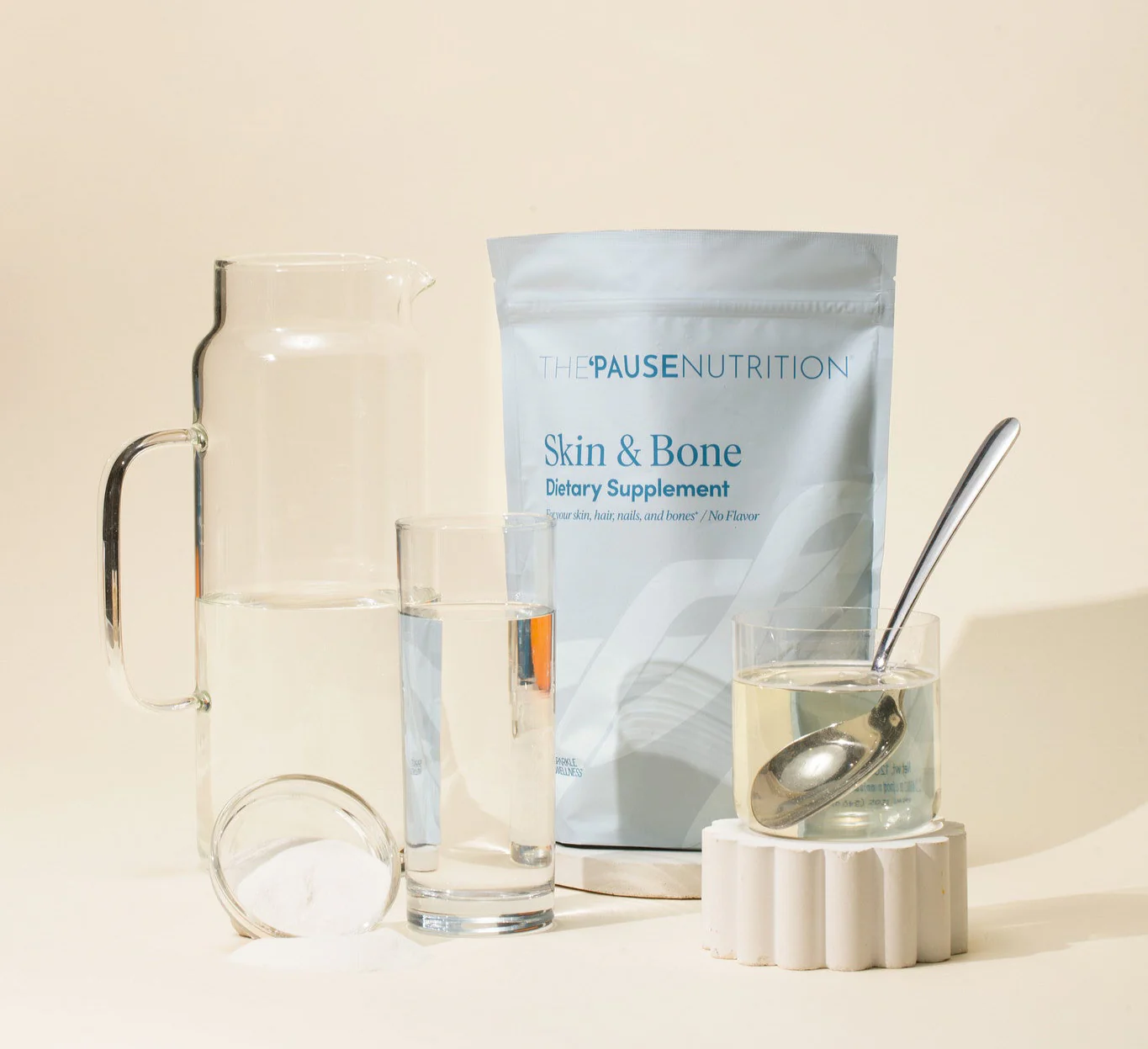
Skin & Bone Collagen | HSA/FSA Eligible
A near perfect match for the study's findings. This 'Pause Life powder combines VERISOL peptides (studied for skin elasticity) with FORTIBONE (studied for bone density), with midlife and menopause specifically in mind.
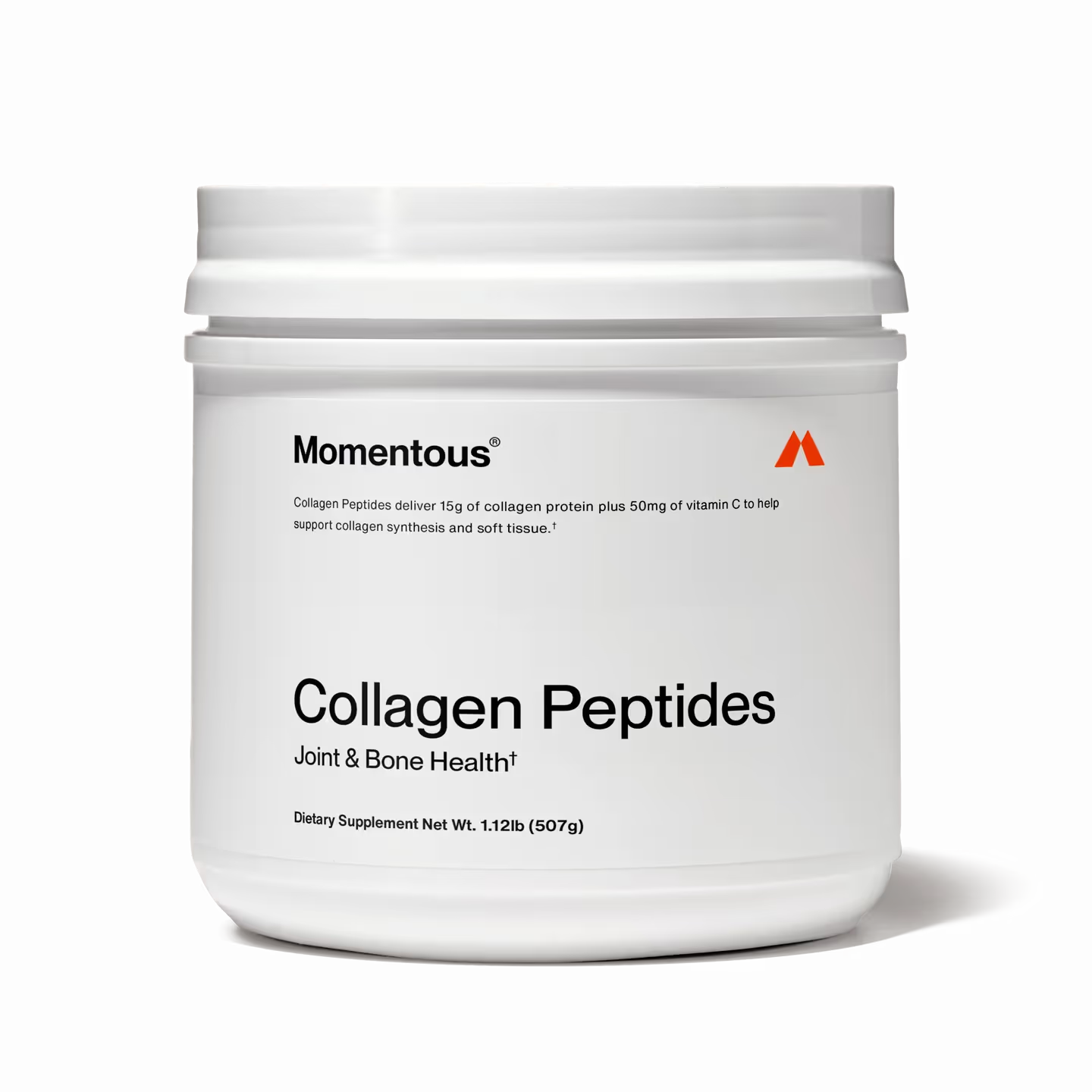
Collagen Peptides Protein Powder | HSA/FSA Eligible
Naked Nutrition's collagen peptides is a no-frills powder with 20 grams of hydrolyzed collagen peptides per serving from grass-fed cattle, with no flavor to fight your morning coffee.
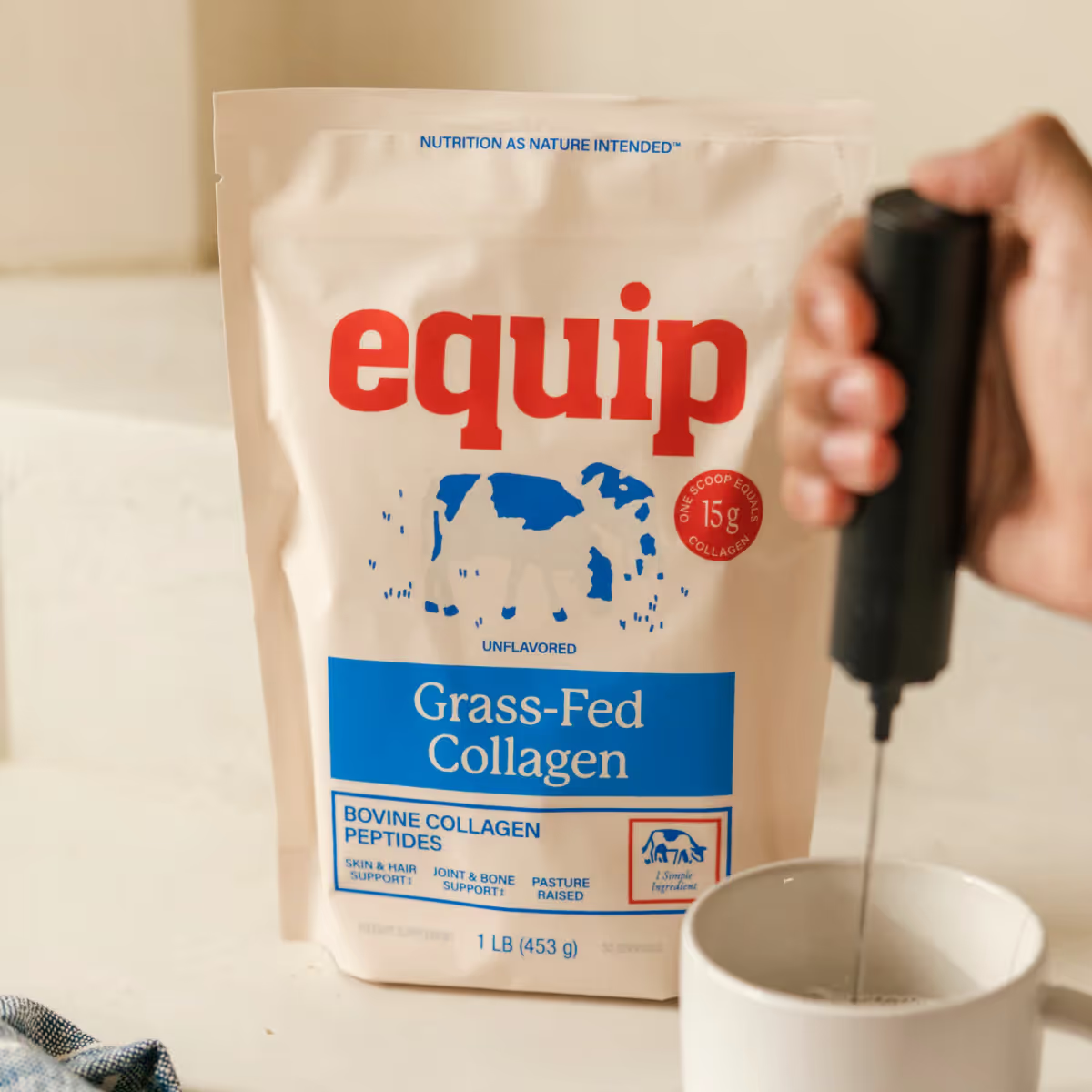
Grass Fed Collagen | HSA/FSA Eligible
Equip Foods' is a doctor-formulated option that also gives you 20 grams of hydrolyzed peptides per scoop, and it's third-party tested for added peace of mind.
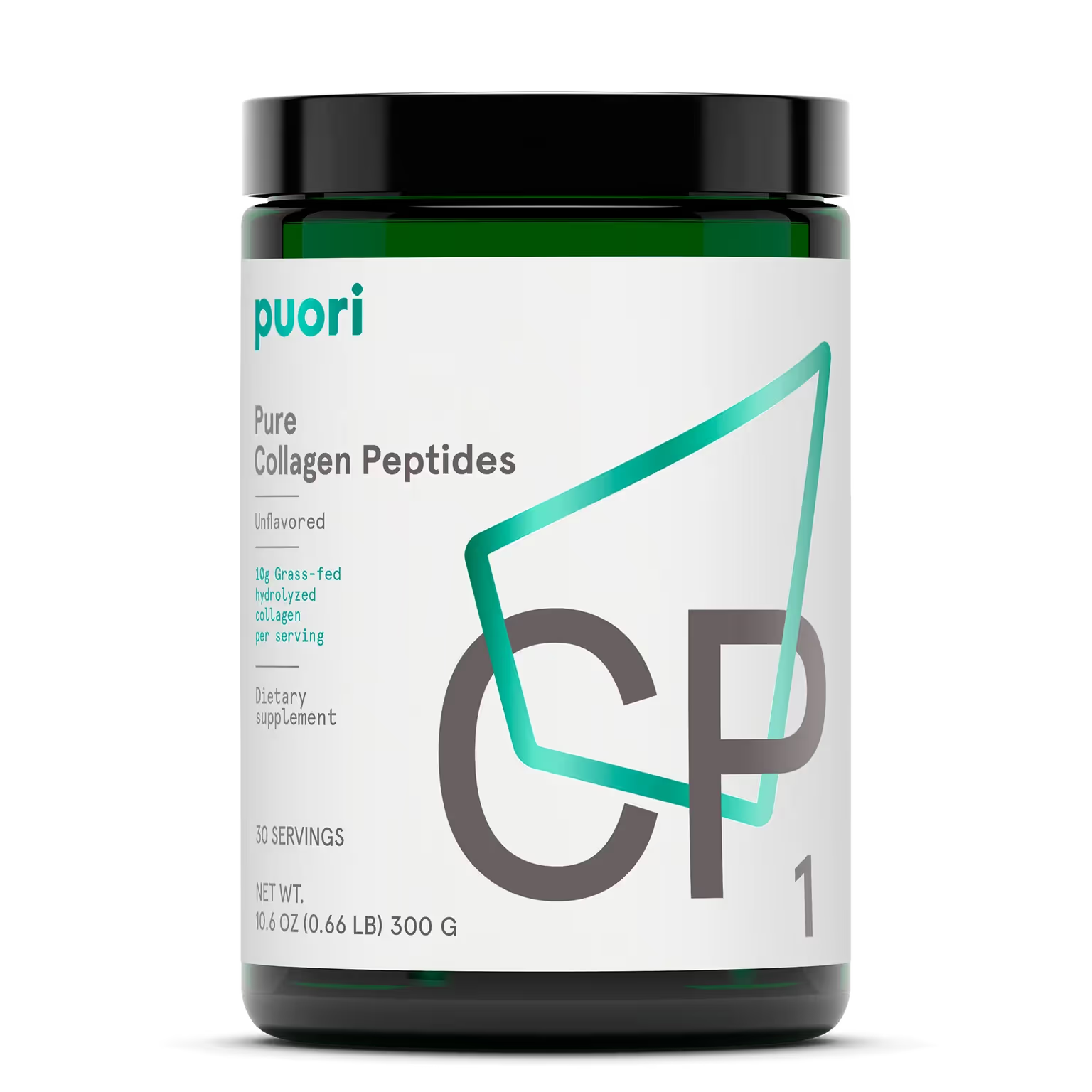
CP1 Collagen Peptides
Puori makes this clean label collagen with 10 grams of Type I and III peptides per serving. Every batch is tested against 200+ contaminants for the purity-obsessed.
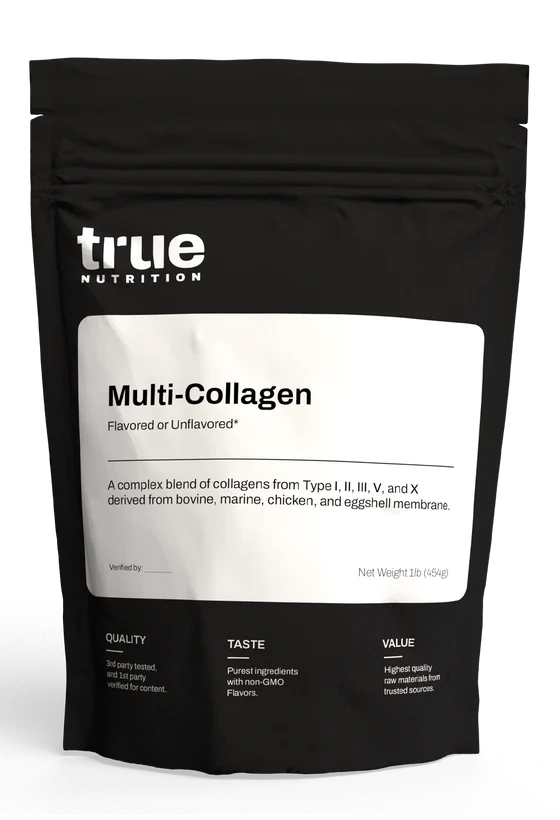
Multi-Collagen | HSA/FSA Eligible
True Nutrition's blend includes Types I, II, III, V, and X from bovine, marine, and chicken sources, with 20 grams of peptides per serving for broader coverage in a single scoop.
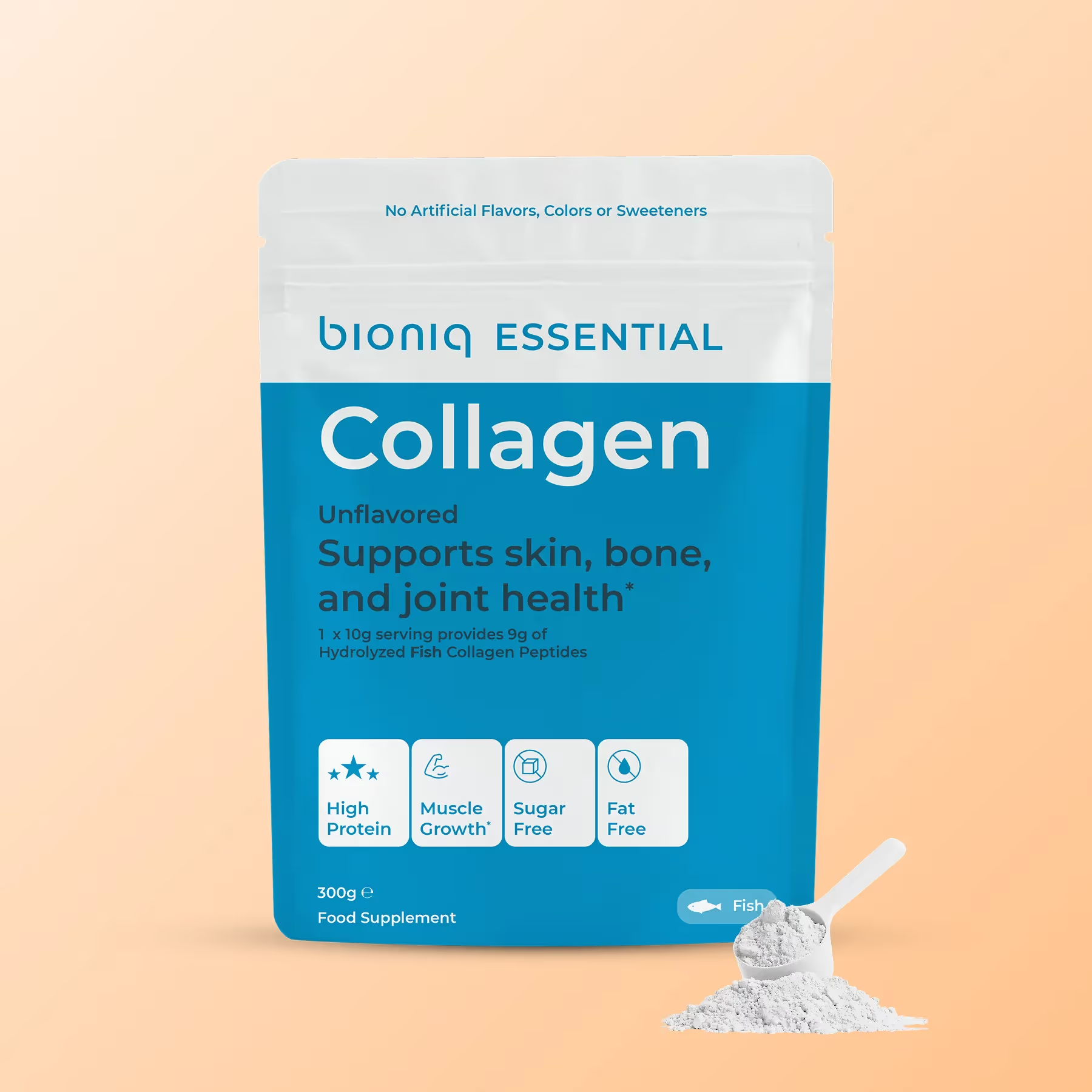
Bioniq COLLAGEN | HSA/FSA Eligible
This one is a marine source option with 9 grams of hydrolyzed fish collagen peptides per serving and zero artificial flavors or sweeteners.
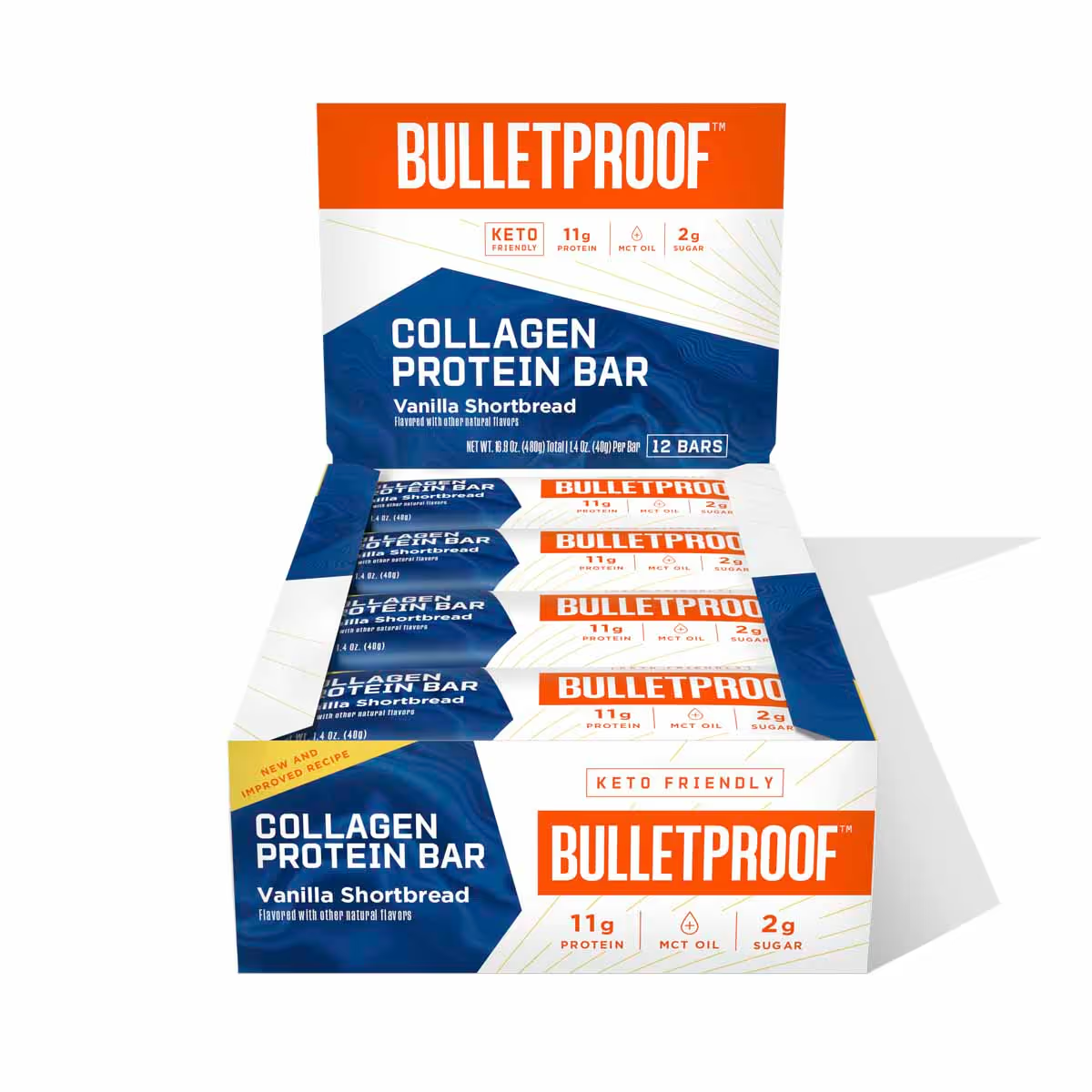
Collagen Protein Bar | HSA/FSA Eligible
Bulletproof's grass-fed Vanilla Shortbread bar (around 11 grams of protein and 2 grams of sugar) is the snack format pick for when you're all powdered out.
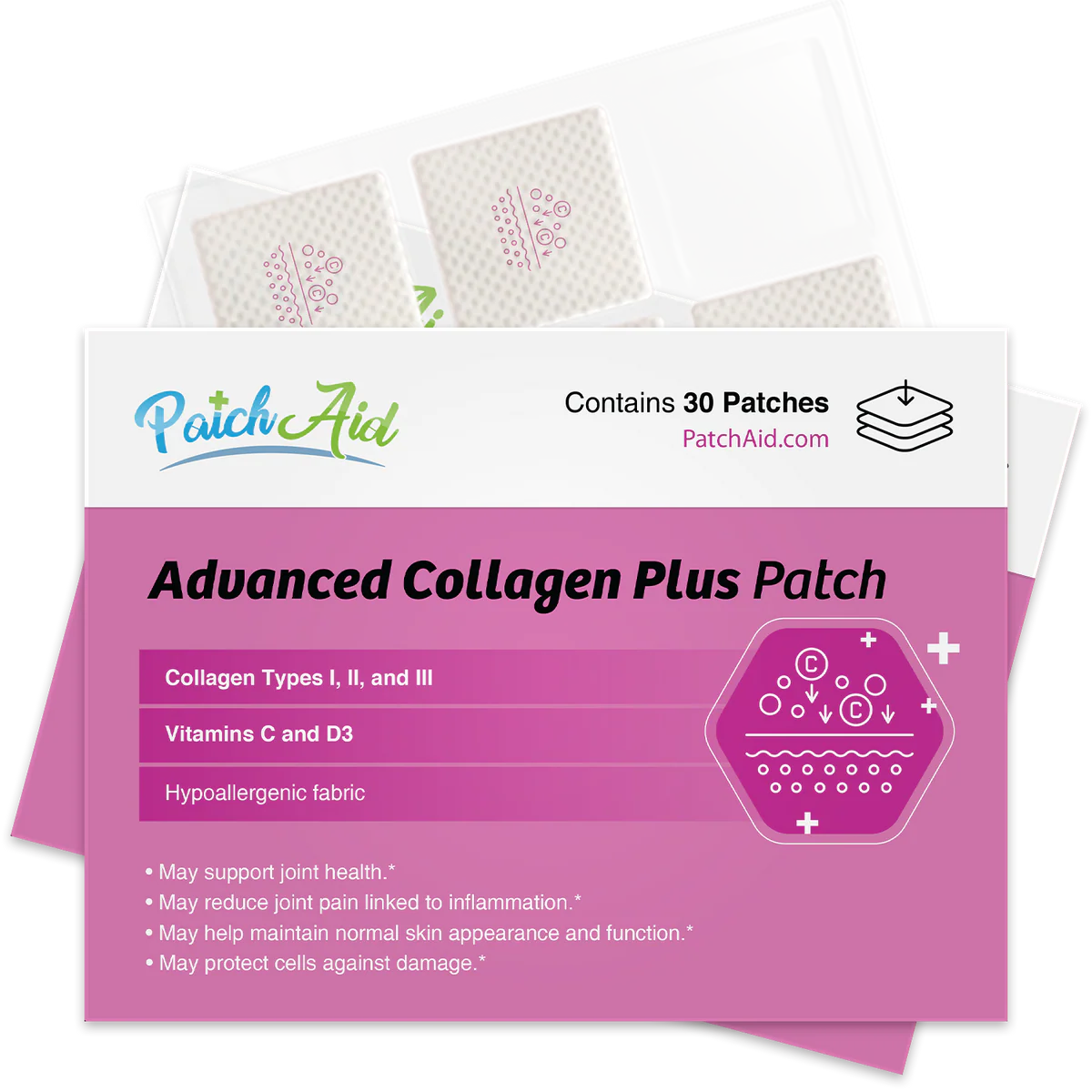
Collagen Plus Vitamin Patch | HSA/FSA Eligible
PatchAid's transdermal patch combines collagen peptides with vitamin C, biotin, and hyaluronic acid. Heads up that the new review focused on oral collagen, so the science on transdermal delivery isn't as well established.