
.jpg)
Understanding Nervous System Regulation and Its Place in Your Wellness Routine
Feeling wired, tense, or stuck in fight-or-flight? Experts break down what nervous system regulation really means and share beginner-friendly strategies to help your body find calm again.
This post contains affiliate links. Stridekick may earn a commission on purchases.
Follow our lead: Deep inhale, long exhale. Now that’s a good start, but it’s probably not enough to release the stress of that coworker who grinds your gears, or those errands you still have to run, or that bad night’s sleep that’s weighing you down. Stress has a way of creeping into our lives, but we don’t have to let it take up permanent residence.
Nervous system regulation has emerged as a wellness trend that promises to help shift your body away from stress-inducing fight-or-flight mode and into a calmer, healthier gear. It sounds promising, but does it actually work, and how do we get on board (without it feeling like a chore)? We sat down with mental health experts to find out.
The Experts
- Sipora Weissman, MSW, LCSW at Mind-Body Therapy
- Roseann Capanna-Hodge, Ed.D., BCN, LPC, licensed therapist and author of The Dysregulated Kid
Nervous System Regulation, Explained
“When people ask me what nervous system regulation is, I tell them to think of it as their stress cup,” says Dr. Capanna-Hodge. “Throughout the day, little stressors keep filling that cup. Nervous system regulation is what helps you empty it before it overflows. When your nervous system is regulated, you can handle stress, think clearly, manage your emotions, and respond instead of react.”
Nervous system regulation is a stress management strategy, but it’s not about staying entirely stress-free: “Nervous system regulation isn’t remaining calm all the time,” says Weissman. “It’s [about] having a more flexible nervous system.”
Weissman also emphasizes that being stuck in a stressed-out state can quickly lead to burnout or getting sick. “Every human experiences stress. The difference is that people with a more regulated nervous system can become activated and then naturally return to a parasympathetic state of rest and digest once the stress has passed,” says Weissman.
Why Try Nervous System Regulation?
It’s easy to assume that you only need strategies like nervous system regulation if you’re going through a challenging life event or managing symptoms of a diagnosable mental health condition. But our experts stress (no pun intended) that that’s not the case: “The truth is, the average person is carrying around more stress than they realize. Without ways to regulate, that stress cup keeps filling until even small challenges feel overwhelming. Your nervous system influences how you think, sleep, focus, make decisions, and connect with other people, which is why regulation matters to everyone,” says Dr. Capanna Hodge.
Weissman notes that nervous system regulation can serve as a proactive way to preserve mental wellness, before stress manifests physical symptoms: “Many people ignore the signals of their body and snowball into burnout or illness. Adding in some basic nervous system regulation to your day can help you to avoid the crash,” she says.
What Does a Dysregulated Nervous System Feel Like?
“A dysregulated nervous system doesn't look the same in everyone. Some people become overstimulated and feel anxious, irritable, reactive, or angry. Others become understimulated and struggle with focus, motivation, or mental fog,” says Dr. Capanna Hodge.
.jpg)
With that in mind, look out for these warning signs of nervous system dysregulation:
- Body tension: “The nervous system speaks through the language of the body. So, for example, when you notice the tension in your shoulders, you might realize that you've been hunched over your computer all day, stressed from work,” says Weissman.
- Irritability: Suddenly getting snippy with a loved one or coworker? A dysregulated nervous system could be to blame.
- Headaches: A combination of muscle tension, shifts in blood flow, and increased pain sensitivity can cause stress headaches.
- Poor sleep: “Your sleep might also be disrupted due to stress hormones like cortisol constantly circulating throughout your body,” says Weissman.
- Exhaustion, even after resting: Stress traps your body in fight-or-flight mode, which can make you feel depleted even after a solid nap or full night’s sleep.
- Sensory overload: “Someone touching you might feel overwhelming, or sounds—even at a low volume—could send you into a tailspin. Even the feeling of your clothing against your skin might make you want to scream,” explains Weissman.
- Digestive issues: Your brain and your gut are directly linked through what’s called the gut-brain axis. This is why stress can trigger GI symptoms like nausea, bloating, and constipation.
- Changes in appetite: Nervous system dysregulation can reduce or inflate your appetite (hello, stress eating).
Work It Out: How Exercise Can Help
We’re a step challenge app, after all, so we wondered how exercise might play a role in nervous system regulation. Good news: it can provide major benefits.
“Movement is medicine for the nervous system. Our bodies were designed to move, not sit in stress all day. Whether it's walking, strength training, stretching, dancing, or simply getting outside, movement helps release built-up stress and reset the nervous system,” says Dr. Capanna Hodge.
“Regular exercise improves the balance between the sympathetic (fight/flight) and parasympathetic (rest/digest) branches of the nervous system. Over time, exercise helps decrease sympathetic activity, which in turn helps us to be less reactive to stressors. Basically, exercise helps the nervous system to become more efficient at restoring balance,” adds Weissman.
Beginner Strategies to Regulate Your Nervous System
You can take strides towards a more regulated nervous system without making it a full-time job. “The biggest misconception is that nervous system regulation has to be complicated or expensive. It doesn't. Small moments of regulation throughout the day are often more powerful than one long self-care session because they create more capacity in your stress cup,” says Dr. Capanna Hodge.

Slow Down
“We live in a world where everything is fast- social media, online shopping, instant entertainment. Everyone is rushing, moving too fast, even talking too fast! My advice is to practice slowing down,” says Weissman.
Dr. Capanna Hodge agrees: “Take a walk without your phone. Listen to music without multitasking. Step outside and put your feet in the grass. Practice slow belly breathing. Laugh with someone you love or give someone a long hug. These simple moments signal to your nervous system that you're safe, helping it shift into a calmer, parasympathetic state,” says Dr. Capanna Hodge.
Self Check-Ins
You deserve a check-in, too! “Even if it's just for three to five minutes, check in with your body and observe your thoughts. Is your body tense? Are your thoughts racing? Are you even breathing properly? Take a few minutes to become present,” says Weissman.
“Slowly look around your space with curiosity. Notice the objects, colors, textures around you. Notice the sensation of gravity on your body and the places your body meets your chair. Take a few slow belly breaths- in through your nose and out through your mouth, as if you are blowing on hot soup. Lastly, notice any shifts that may have happened in just three to five minutes,” she adds.
Touch
“Another very simple nervous system regulation exercise is self-touch. Touch is our first language, even before speaking. Place one hand over your heart and your other hand below your belly button, on your leg, or on your side. See if this exercise feels supportive to your nervous system,” says Weissman.
Even if you only have a few minutes to spare, these strategies can bring a moment of peace into an otherwise chaotic routine. Doing so might just equip you to tackle unforeseen hurdles more effectively.
“I often remind people that regulation isn’t about staying calm all the time. It’s about developing the resilience to return to a place of calm, again and again, no matter what life brings,” Dr. Capanna Hodge adds.
Shop the Calm-Down Toolkit
Relaxation isn't a luxury. It's the foundation for everything: your fitness, your focus, and your health. Building small moments of calm into your routine helps your nervous system reset, so you can show up sharper and sleep deeper. If you're looking to invest a little more than time into your stress-busting routine, these picks are built for exactly that.
Apollo Wearable + SmartVibes™
Apollo Neuro
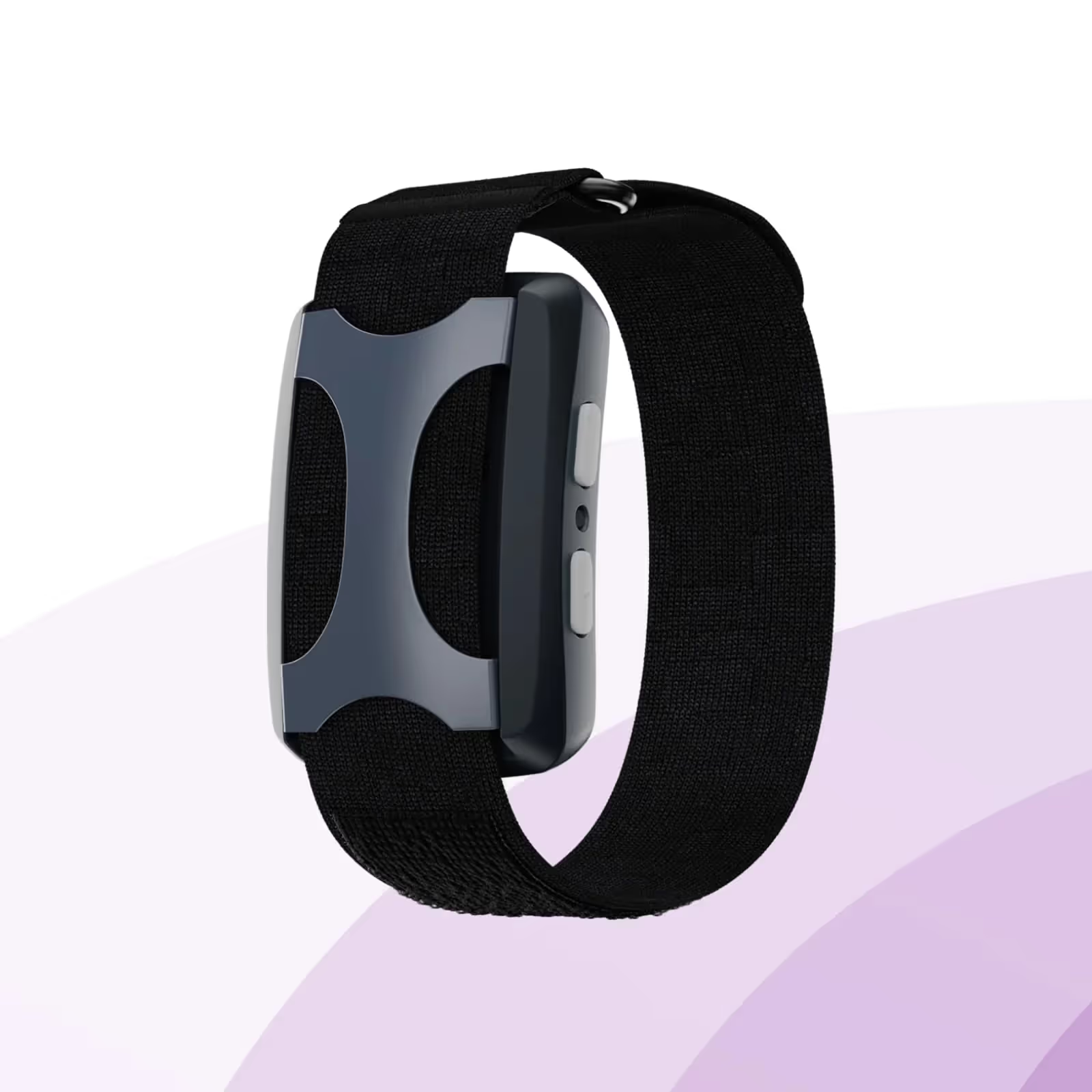
Gentle vibrations, worn on your wrist or ankle, that stimulate your nervous system and improve heart rate variability, your body’s ability to handle stress. Pick a mode in the app (sleep, focus, calm, energy) and let it do the work.
Premium Acupressure Mat
Shakti Mat
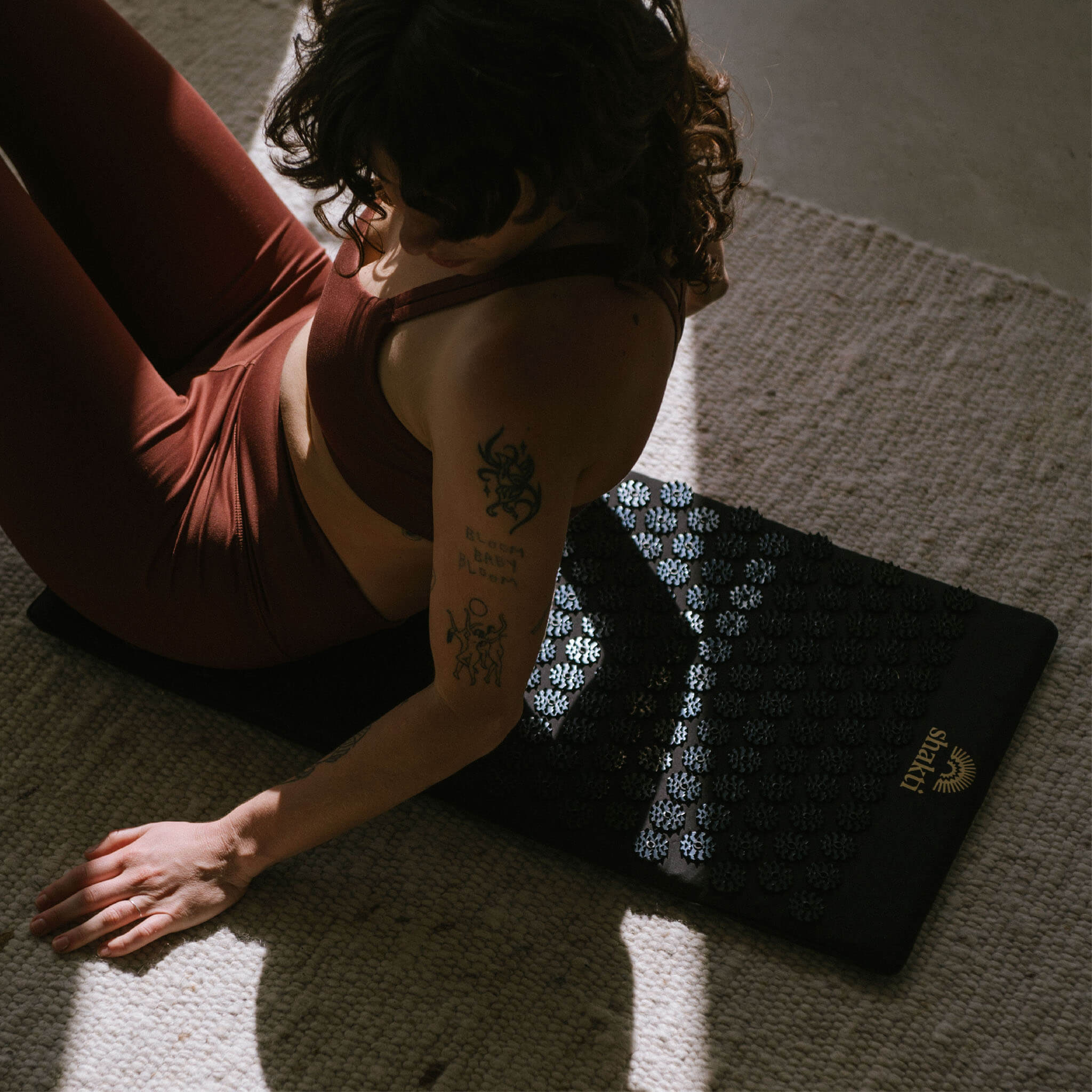
8,000 pressure points designed to trigger your body’s natural pain response, releasing endorphins and easing tension across your back, shoulders, and neck. The organic Blissfoam™ inner is firm enough to work, soft enough to actually enjoy.
Calm Self-Warming Eye Masks
Popmask

Self-heating masks that deliver 20-30 minutes of soothing warmth, plus calming scents designed to ease anxiety. An easy five-minute reset between meetings or before bed.
However you build your toolkit, the goal is the same: more calm, less friction. If you need more inspiration to find your zen, we built an entire shop collection for that:
🔗 https://stridekick.com/collections/take-the-edge-off-find-your-zen