
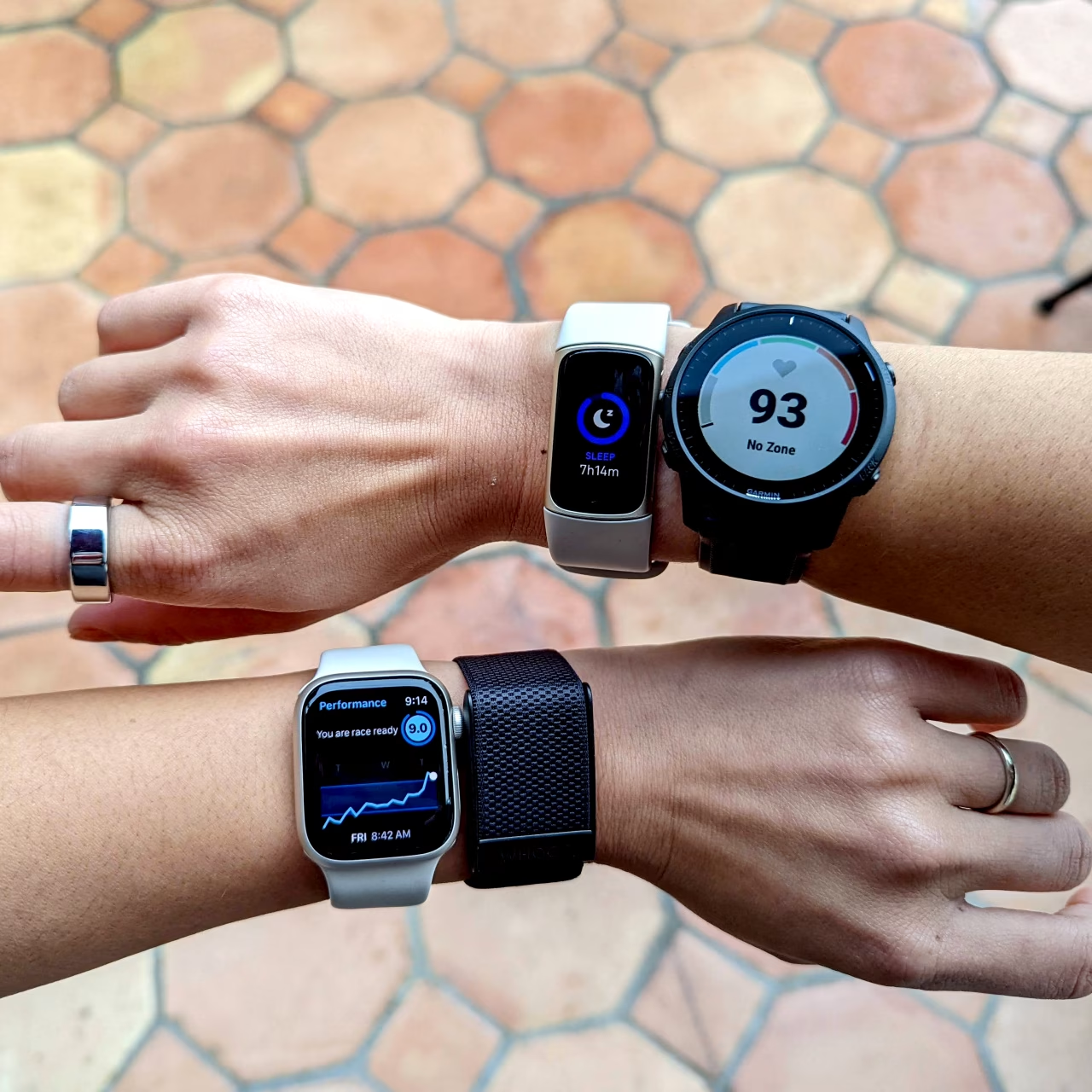
Screenless Fitness Trackers Compared: How to Choose Between Oura, Whoop, and Fitbit Air
Thinking about going screenless? We compared the Oura Ring 5, Whoop 5.0, and Fitbit Air on accuracy, price, and battery life.
This post contains affiliate links. Stridekick may earn a commission on purchases.
You wouldn't be the first person tired of your smartwatch buzzing at you every three minutes. If you're thinking about going screenless, three big options dominate the space right now: the Oura Ring 5, Whoop 5.0, and Fitbit Air. Here's how they compare.
The Fitbit Air
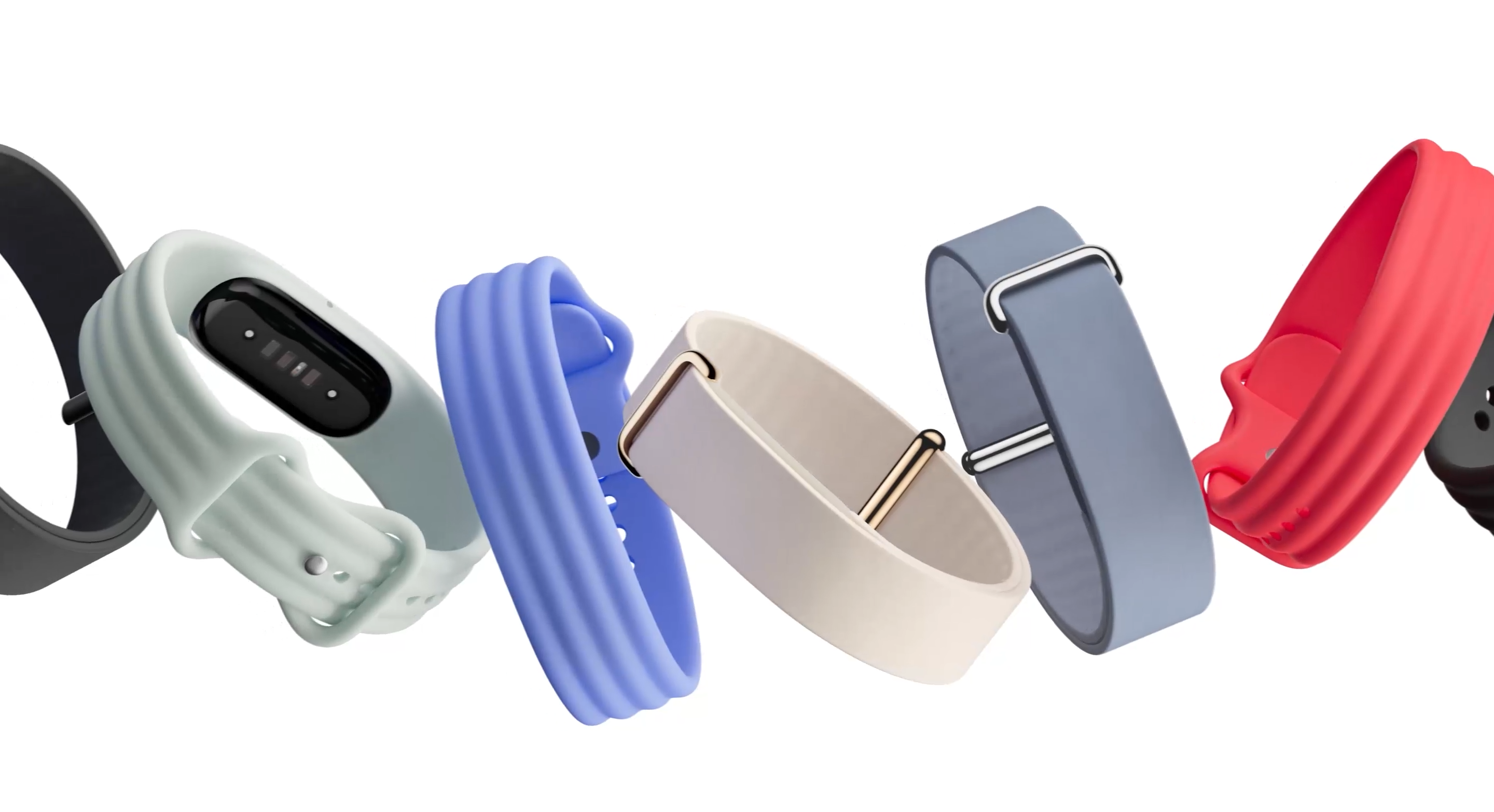
The Fitbit Air is easily the most affordable option at $99, and there's no mandatory subscription to see your own data (finally, a company that's not trying to nickel and dime you). It's a slim, lightweight wristband that runs on the Google Health app (RIP, Fitbit app) and tracks the basics like heart rate, steps, sleep, and a cardio load metric.
It's also surprisingly accurate for the price. YouTube reviewer The Quantified Scientist, who tests wearables against medical grade equipment, scored the Air 97 out of 100 for heart rate accuracy during cardio and 80 out of 100 for sleep tracking. Consumer Reports editor Courtney Lindwall was also impressed and found the Air gives you similar health insights to pricier competitors, without the subscription trap.
That's not to say there aren't tradeoffs, though. There's no built-in GPS, so you'll have to bring your phone if you want to log a route, and you can't see real time workout stats. The woven fabric band also isn't great for handling sweat, but you can upgrade to an active band for $35. Google Health Premium is optional at $9.99/month or $99/year, but it's easy to skip if you just want the basics.
Best for: anyone who wants wellness tracking without paying monthly for it and doesn't need real time workout stats.
The Oura Ring 5
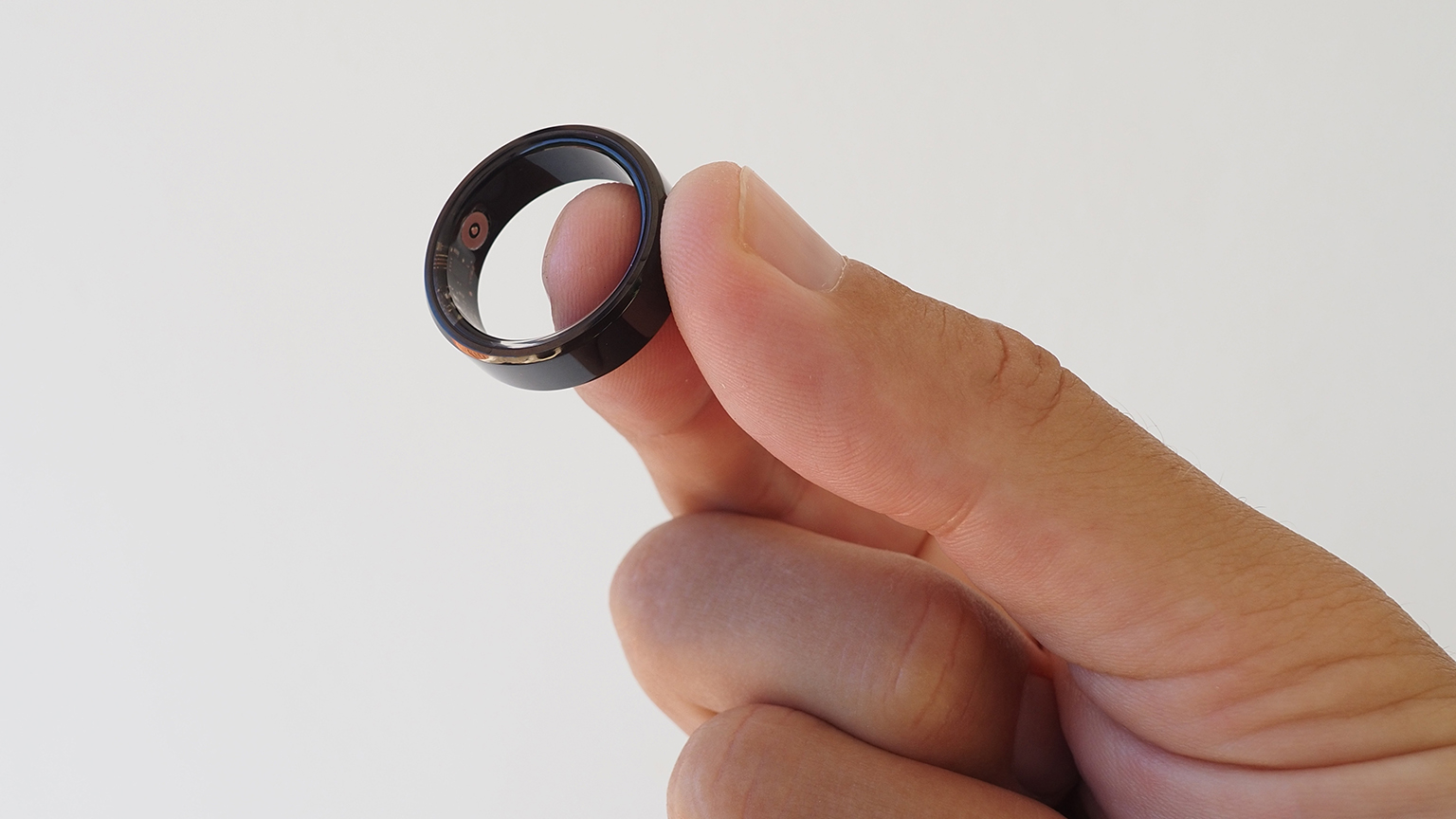
If even a slim wristband feels like too much, the Oura Ring 5 is your answer. Oura's fifth generation smart ring launched in June 2026 and is 40% smaller than the Ring 4, so it's much more comfortable to wear day and night (most people forget they even have it on). It starts at $399 for Silver and Black finishes, or $499 for premium options like Deep Rose and Stealth, and puts out nine days of battery life per charge.
Oura's specialty has always been sleep and recovery, and The Quantified Scientist's testing shows the Ring 5 keeps up its reputation for best in class sleep and overnight heart rate accuracy. It does lag a bit on workout heart rate though, scoring around 84 out of 100, so if you're lifting heavy or doing a lot of HIIT or plyo, the ring form factor isn't your best bet.
The Ring 5 also introduces Health Radar, which is a background monitoring feature that flags biometric patterns before they become problems, plus new Blood Pressure Signals and Nighttime Breathing insights. Membership is required to unlock most features and runs $5.99/month or $69.99/year after your first month.
Best for: sleep and recovery obsessives who want a low profile tracker and don't mind the ring.
The Whoop 5.0
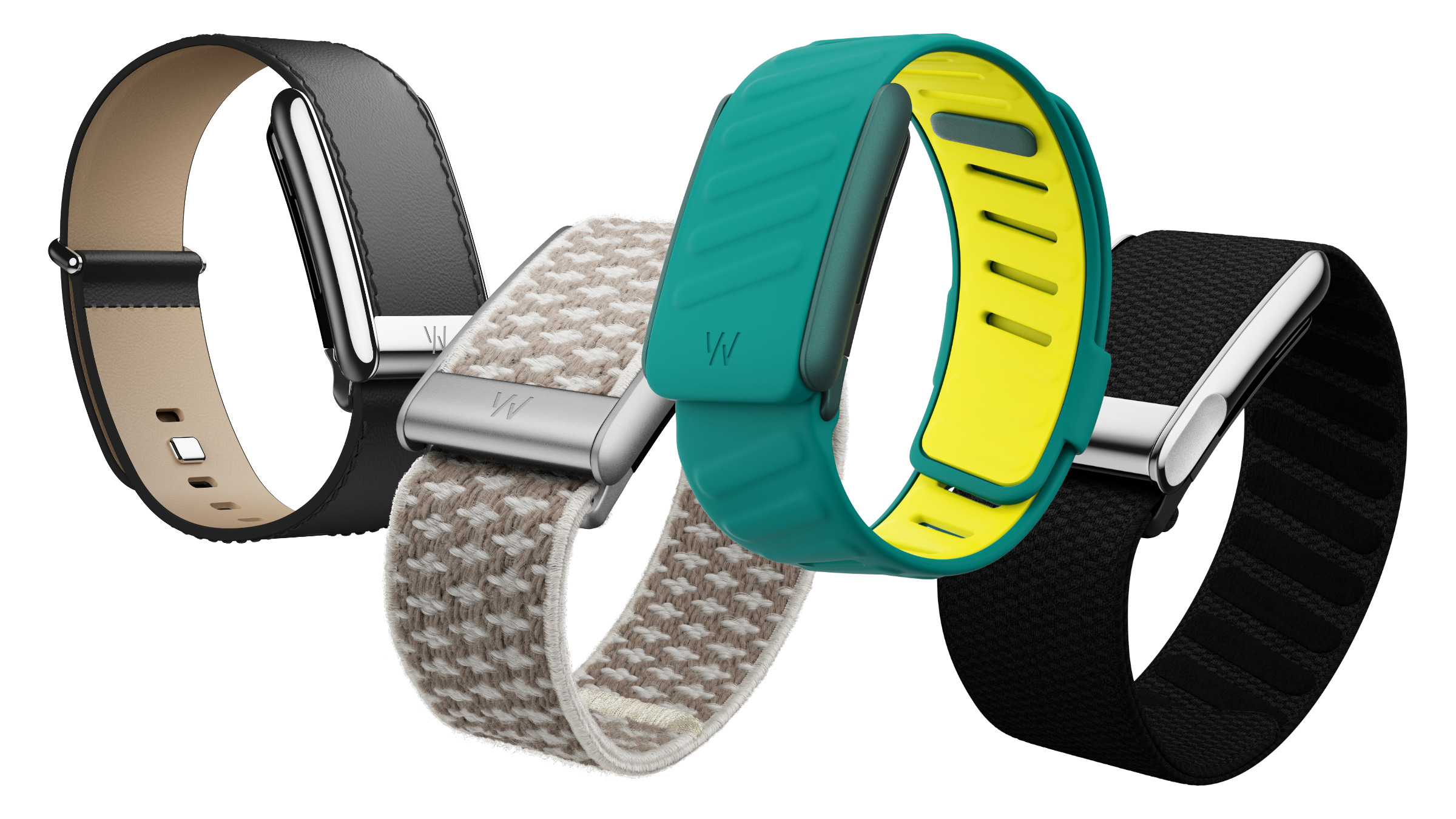
Whoop is the go-to for people who are more serious about their training and recovery (like for marathon prep, heavy lifting, Type A energy). The strap bundles into an annual subscription of $199 to $239 and the device itself is included with membership. Whoop 5.0 has a 14 day battery life, twice as long as the Fitbit Air, and you can wear it on your wrist, upper arm. You can also get Whoop's apparel line, which holds the whoop sensor against your skin so you don't have to wear it on your arm.
One of the biggest draws for Whoop is the coaching. Whoop's app is packed with strain scores, recovery metrics, and training load recommendations, and its dedicated training algorithms (like the marathon prep guidance) go a lot further with detail and personalized assistance than Google's AI coach or Oura's readiness metrics do.
Still, The Quantified Scientist's testing found Whoop 5.0 didn't beat the much cheaper Fitbit Air on accuracy, which is surprising considering the marketing. Over five years, you'd pay $1,000 to $1,200 for Whoop versus about $99 for a Fitbit Air (or roughly $600 with Google Health Premium). Whoop's data heavy approach can also feel like a lot if you just want a snapshot of your health and not a dissertation, and if you cancel the subscription, the strap turns into a fancy bracelet.
Best for: serious athletes who want deep coaching on training load and recovery and don't mind paying yearly for it.
Fit Your Tracker to Your Lifestyle
Figure out what matters most to you, including your pennies. The Fitbit Air is your best bet if you want great basics without a subscription, especially if you're new to the tracker game. The Oura Ring 5 is unbeatable for sleep and recovery data in the most low profile form factor around, as long as you don't mind that ring form during workouts. And the Whoop 5.0 is the deepest coaching tool if you're seriously training for something and don't mind paying yearly.
You'll be happy to know that Stridekick is compatible with all three, so you can jump into your next step challenge with whichever one ends up on your wrist (or finger).