
Pro-Approved Fitness Gadgets Help You Keep Your Resolutions
Struggling to stick with your fitness goals? Trainers share the fitness gadgets that actually help—no gimmicks, just tools you’ll really use.
This is your one-month check-in: How are your fitness resolutions coming along? If your workouts are starting to bore you, or extra rest days are becoming dangerously tempting, or you’ve dropped off altogether (no judgment), it’s time for a little pick-me-up. How about some retail therapy that actually improves your fitness routine?
We asked a PT and a coach for their go-to, gimmick-free fitness gadgets—and most of them just so happen to be available from our Shop (meaning many are HSA/FSA eligible!). So dig in and find your new faves, we’ve included a little something for everyone.
Our Experts
- Alex Viada, Certified Strength and Conditioning Specialist, USA Triathlon Coach, head coach at Complete Human Performance, author of The Ultimate Hybrid Athlete
- Zach Smith, PT, DPT, founder, owner, and Doctor of Physical Therapy at HIDEF Physical Therapy
Good vs. Gimmick: What Experts Want You to Know
“As a physical therapist, I have patients with literal garage-fulls of devices that they no longer use,” says Dr. Smith. “Most people ended up finding that the research suggests that none of these devices give any real benefit.”
So what can you do to prevent your own graveyard of useless tech? Here’s what our pros think:
- “If something seems too good to be true, it probably is, especially if it's under $200,” says Dr. Smith. “Many devices make claims of their benefits, but oftentimes there's not a whole lot of benefit to be had. With tools like AI, you can easily chat and figure out if tools have any strong research behind them.”
- Follow the evidence. “While there’s a huge variety of fitness trackers and wearables/gadgets out there, I have always felt that these devices are only worth it insofar as you know what to do with them—in other words, is the information they provide:
- Descriptive
- Predictive
- Prescriptive
If the information is not all three, then chances are, the device or gadget is at best a ‘cool to have’, and at worst, a waste of time and money,” says Viada.
- Get recs from loved ones. “If you're going to spend a lot of money on a device, find someone who owns the device and ask them how they like it. A simple friend or family recommendation can go a long way,” says Dr. Smith.
- Consider how the gadget fits into your existing routine. “The single most important question to ask yourself is: ‘Is this device really going to change how I train/exercise/live my life?’” says Viada.
- “Read deep into the reviews, as you can find a lot of the issues that people have with these devices,” says Dr. Smith.
Gadget #1: Fitness Tracker for Motivation and Consistency
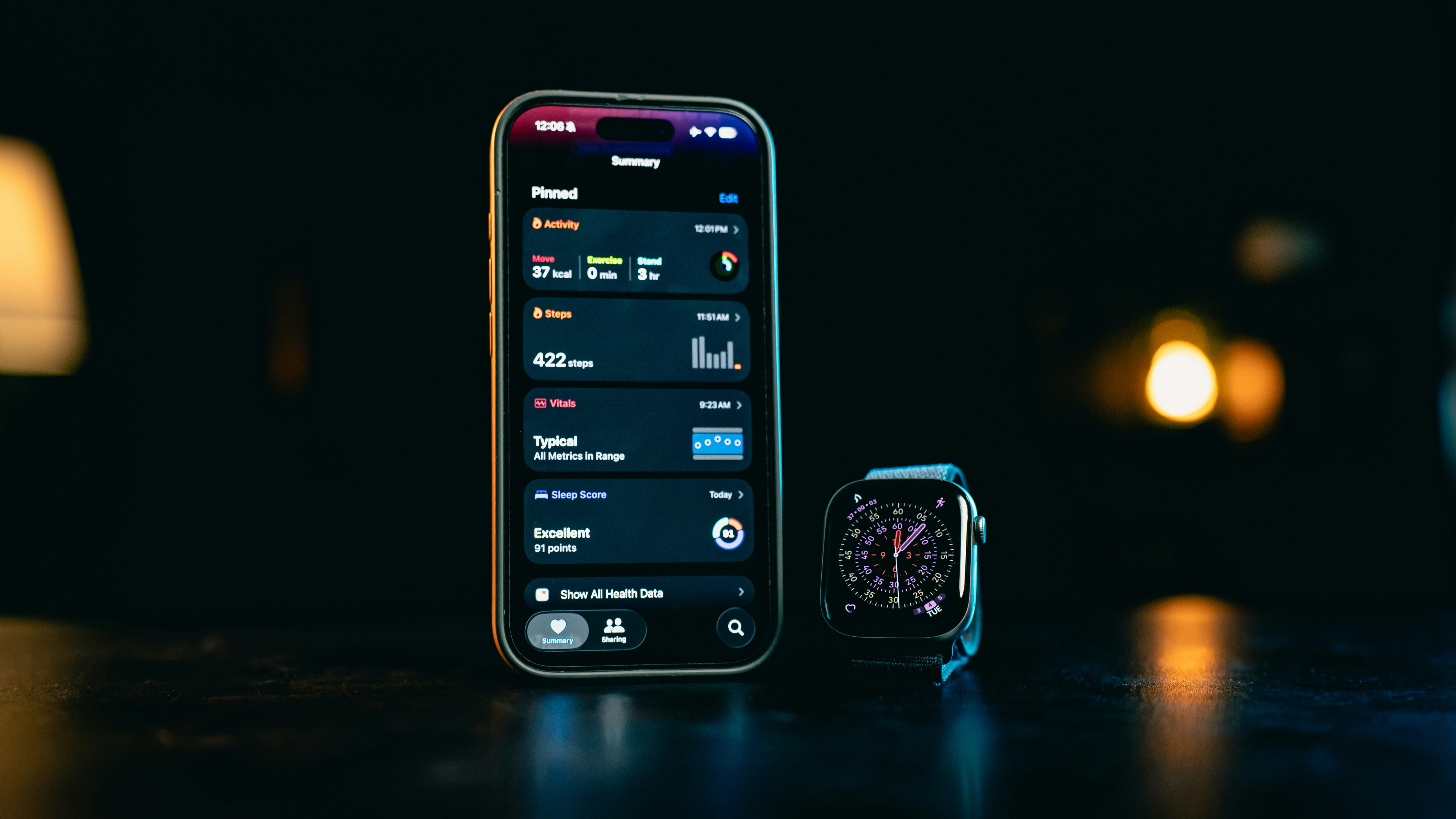
We asked our experts which fitness tool they would choose if they could only use one for the rest of their lives. They both settled on a fitness tracker, and they even use the same one: the Garmin Fenix.
“Being able to track what I do and get stats on it gives me the motivation to continue pushing and working out. If you truly want to create a habit, I think tracking can be your greatest asset,” says Dr. Smith.
“For my dollar, the best devices have always been your basic fitness trackers,” says Viada. He defines these as GPS watches or devices that record physical data (mainly endurance activity) during exercise, adding the caveat that most of today’s fitness trackers don’t do much for resistance training, as they can’t capture crucial metrics like weight and velocity moved. For this data, check out a velocity tracking device, as discussed below.
“My Garmin Fenix 8 allows me to track the intensity of my runs, adjust thresholds, and track long-term progress,” says Viada. “I use it for applying structured workouts to my routine, where I can design workouts manually, then push them to the device to take the guesswork (and mental work) out of completing even fairly complex sessions.”
“Many of these wearables can and should be worn outside of activity as well, and the devices that collect recovery data (including sleep hours, heart rate variability, skin temperature, respiratory rate, etc.) to go along with training data can provide the most insight,” adds Viada.
Stridekick is compatible with a range of popular fitness trackers, including Garmin, Apple Watch, and Fitbit, so you can jump right into tracking your next step challenge.
Simpler Alternative: Heart Rate Tracker
If you’re not quite ready to splurge on a comprehensive fitness tracker, Viada suggests a basic, high-quality heart rate monitor to inform your workouts.
“To keep it simple, get the best quality heart rate monitor you can and wear it during activity. While this doesn’t give all the insight of the fitness tracker (say, my Garmin), the data quality is outstanding, and while it is not nearly as actionable as other devices, it only has one job (that it does exceptionally well). As a bonus, many can be used for daily HRV readings first thing in the morning, so you can rest assured you can still use it for at least one overall health snapshot.”
Velocity Tracking Devices for Weight Training
If you’re serious about your weight training (or getting serious about it in 2026), you may want to go beyond a simple fitness tracker. Velocity tracking devices are number two on Viada’s list of go-to fitness gadgets: “While more niche, these devices allow individuals to measure progress in the weight room without necessarily needing to test their max efforts, and can be used as part of an intelligent program to regulate intensity and ensure training is as effective as it can be.”
As far as recommendations go, Viada is impressed by Output Sports’ sensor and app system. “It’s a small sensor you can just clip to a barbell or dumbbell, and the app is very easy to use. [It’s] accurate and flexible, which is what I always recommend with devices and wearables,” he says.
Chest Strap
If you're already investing in a fitness tracking device, Viada recommends adding in a separate high-quality chest strap/heart rate monitor, and Dr. Smith wears a chest strap with his Garmin Fenix. “While optical, wrist-mounted devices have improved over the years, the quality of their data is still far below what the humble chest strap can track!” says Viada.
Gadget #2: Massage Gun for Soreness and Tension
For Dr. Smith, the best fitness gadget investment is a good massage gun, which uses vibration to boost blood flow and release muscle tension. “The amount of use this device will get will make it well worth it. Any time I have tight muscles, muscle soreness, or just need to relax, I use the massage gun (Hypervolt in my case).”
Here at Stridekick, we’re Hypervolt stans, too. Choose the Hypervolt 2 Pro for powerful, deep-tissue massages, or the Hypervolt Go 2 for a lightweight, portable massage gun that delivers full-sized power.
“A really great add-on for this is a heated head on the massage device. This has been something I have really enjoyed having and was definitely worth the money,” adds Dr. Smith.
Gadget #3: Just a Really Good Pillow
We’re stretching the definition of “gadget” a bit here, but you can’t deny the difference an awesome pillow can make in your sleep and recovery. “I know, an odd recommendation, but think of this more as a recommendation to prioritize your sleeping situation over most other recovery pieces,” says Viada.
“Sometimes, the best ‘gadgets’ for better sleep are a good set of blackout curtains, a supportive pillow, and a small white noise generator! It cannot be overstated how crucial this is, and all the ice baths, saunas, infrared therapies, and supplements in the world can’t compensate for a few nights of broken sleep,” he says.
If you’re ready for a pillow refresh, consider the Smartsleep Recovery Pillow. Its curved shape with a built-in headrest supports the neck while reducing pressure points for back and side sleepers. Throw in the Recovery Pillow Case to fit the Recovery Pillow’s unique contours and make the most of its ergonomic benefits.
And for an all-out sleep gadget haul, consider these other snooze-worthy faves from the Shop:
- The BedJet 3 Climate Comfort Sleep System is an under-bed device that cools, warms, and/or dries sweat by circulating temperature-controlled air to help with night sweats, hot flashes, and cold feet.
- The Ozlo Sleepbuds, ultra-small earbuds comfortable enough for all-night wear (even for side-sleepers!), blend passive noise isolation with white noise or sounds like ocean waves to block out snoring, traffic, noisy neighbors, and other sleep disruptions.
- The Baloo Living Weighted Blanket is the only quilted weighted blanket made entirely with natural cotton, filled with lead-free glass microbeads for gentle pressure and deeper sleep.
Gadget #4: Foam Roller for Pre-Workout Prep
Dr. Smith sticks to a simple foam roller for pre-workout mobility. Foam rollers are an easy, accessible way to release tension in your muscles and fascia, helping to increase flexibility before your exercise or calm post-workout soreness.
To use a foam roller, position it under the muscle you’re trying to target, like the quads, calves, or hamstrings, and slowly roll back and forth across it (you’ll probably need to prop yourself up on your hands or forearms). If one spot feels particularly tight or tender, give it some extra TLC. The goal here is to get your muscles to relax, so breathe deeply and take your time.
For a roller that packs an extra punch, consider the Vyper 3, a high-intensity vibrating foam roller to enhance your warm-up and recovery. It contains a 34-watt motor and three vibration speeds, delivering deep tissue vibration to boost blood flow and curb muscle tension. Or, use the Big Bertha MOBOT, a foam roller and a water bottle in one!
Bonus Nice-to-Have: Compression Boots
While not part of his daily routine, Dr. Smith uses Normatech compression boots when he’s struggling with fatigued legs or swollen joints. They use air compression to massage your legs and feet, boosting blood flow to your muscles and promoting lymphatic drainage, both of which can ease soreness and general discomfort.
Like Dr. Smith, we love Normatech for its seven compression levels, five overlapping zones, and Bluetooth app control, making it easy to tailor your compression session to exactly what you need. It’s a solid investment in your routine, especially if muscle fatigue and soreness are getting in the way of your fitness resolutions.
Wrapping Up: Final Thoughts Before You Shop
Whether you’re looking to gather motivating metrics, nix pesky muscle soreness, or simply get better zzz’s, our pros’ fitness gadget recs are sure to deliver. Before filling up your cart, consider these parting words:
- “The most important thing when buying a device is figuring out where it'll fit into your routine. If you don't have a place to use it or you don't have the time during your day to do something, then it's just simply not going to get used, and it's going to be a waste of money,” says Dr. Smith.
- Viada agrees: “Get a device that you know you’re going to use regularly. If you don’t want something on your wrist, but an Oura ring seems appealing, use that. If you regularly wear a watch, but don’t want to wear one to bed, then consider a much simpler GPS watch without all the bells and whistles, since you won’t be needing all the health tracking data.”
- “Start with the mundane,” adds Viada. “The best fitness accessory might be a sous vide cooker or a vacuum sealer, both of which can help you prepare easier meals in bulk. It might be a new desk chair to ease your back pain from your office. It might be a thermos you really like that encourages you to drink more water during the day. Think simple, think habits, think, ‘What makes it easier for me to do the things I know I should do.’”
Head over to the Stridekick Shop to check out our pros’ recommendations, including various HSA/FSA-eligible fitness finds. Happy shopping!