
.jpg)
8,000 vs. 10,000 Steps: Setting Your Daily Goal, with Help from Pros
Where did the 10,000-step goal even come from, and is 8,000 steps enough? Two fitness pros weigh in on the real science, plus how your ideal step count might shift with age.
This post contains affiliate links. Stridekick may earn a commission on purchases.
Step counting is kind of our thing (we built a whole app around it, after all). But with counting steps comes the question: how many is enough? Do you have to hit 10,000 to call your day a success, or is a lower number enough to keep you healthy? And wouldn’t it make sense for us all to have a personalized daily step count based on our individual goals?
We set out to get these questions answered by fitness pros and gather their best tips for reliably hitting that daily step goal.
The Experts
- Matt Kasee, MS, CSCS, PES, CPT, PNI, owner of Trilogy Fitness Systems
- Carly Harvey, personal trainer, online coach, and founder of House of Health
Where Did The 10,000-Step Guideline Come From?
According to Harvard Health, the 10,000-step goal dates back to 1965, when a Japanese company developed something called manpo-kei, “10,000 steps meter”. It was, essentially, a marketing tactic used in the lead-up to the 1964 Tokyo Olympics, and here’s the kicker: it’s not actually rooted in concrete scientific research.
That’s not to say this goal is inherently bad; quite the opposite. It encourages people to increase their daily movement, which supports better overall health.
“According to the American Heart Association, an increase of 1,000 steps per day is associated with health benefits for cardiovascular disease and all-cause mortality. You will see health benefits in blood pressure, brain health, and balance and coordination as we age. There are also incredible mental health benefits, particularly if we can get these steps outside in nature,” says Kasee.
The takeaway: The 10,000-step goal isn’t a precise, failproof benchmark, and it might not represent the best possible step goal for your needs. Still, increasing your daily step count is worthwhile for all sorts of wellness benefits.
Could 8,000 Steps Be Enough?
You might have seen 8,000 steps floating around as an alternative, more achievable daily step goal that can still deliver notable health benefits. We talked about it in our deep-dive of the 3-2-8 Method™ (created by Natalie Rose of Body By Barre Studio), determining that it can fit into a realistic, effective fitness routine when paired with other elements (like strength training).
When asked how many steps we need to start improving our health, Kasee circled back to the 8,000-step mark: “The sweet spot for the most health benefits tends to be around 8,000 steps a day, [which provides] a noticeable health improvement in all-cause mortality and heart health from lower step counts. That benefit starts to plateau around the 10,000-step mark.”
Harvey adds: “The difference between 8,000 and 10,000 steps per day is not as huge as people may believe…the difference between a 5,000-step count and an 8,000-step count is far bigger. [But] that’s not to say that it is not beneficial to increase your steps from 8,000 to 10,000: from a fitness and weight loss perspective, the more active a person is, [the] more calories are burned in daily activity, improving body composition, fitness, and strength."
So if a 10,000-step goal always feels like a recipe for failure, go ahead and lower it to 8,000: you’ll still be reaping significant health benefits, just in a more achievable way.
Can Increasing Step Count Lead to Weight Loss?
If you’re looking for a sustainable weight management strategy, upping your step count could help, alongside other healthy habits. Doing so increases the number of calories you burn, which may help you achieve the calorie deficit that leads to weight loss.

Here’s what our pros want you to consider while building a step plan with weight loss in mind:
- Steps can only go so far: “Increasing our daily step count can help with weight loss, but it will not be a major driver,” says Kasee. “While increased step counts offer many health benefits, they likely won't lead to significant weight loss unless you go from about 1,000 steps a day to 8,000 or 10,000.”
- Think gradual, not all-or-nothing: “It’s actually more beneficial to slowly increase [your steps] so that you’re forming habits that can be sustained long-term. Once people start to connect the benefits they receive and how easy it is to increase daily steps, the more motivated they are to keep moving,” says Harvey.
- Stack healthy habits: “For step count health benefits, total movement is what helps. For weight loss efforts, this is driven by nutritional changes and more concentrated exercise habits at a higher intensity,” says Kasee.
Now here’s where the difference between 8,000 and 10,000 steps comes into play. Kasee notes that upping your daily step count to 10,000 from 8,000 can provide slight health improvements, particularly if weight management is your goal. This just comes down to the fact that more movement = more calories burned.
Does Optimal Step Count Change With Age?
Age brings wisdom, maybe a few grays, and the kind of unshakable confidence that allows you to wear socks with sandals. But does it change how many steps you should take in a day?
“Yes, it shifts around age 60,” says Kasee. “Before age 60, the health marker sweet spot is about 8,000 and plateaus approaching 10,000 steps a day. After age 60, health benefits are found around 6,000 steps a day and start to plateau around 8,000 steps a day.”

But beyond hard numbers, prioritize finding the right activity level for your needs. “The most important thing to recognize is finding a step count that is suited to your lifestyle and your age, and ensuring you’re not setting yourself up to fail. It’s vitally important to remember that each person is individual and whilst 8,000 to 10,000 steps is great, anything above your ‘normal count’ is awesome,” says Harvey.
Pro Tips to Set Your Step Goal
Setting a goal is one thing: sticking to it (especially when life gets in the way) is another. Here’s what our experts recommend to help you stay on the step count wagon:
- Strike a balance between challenging and achievable: “Start where you are, with what you can do, and slowly increase your daily step count,” says Kasee.
- Keep it simple: “It doesn’t have to be complicated. A brisk 10-minute walk is roughly 1,000 steps, so for most people adding an extra 1,000 to 2,000 steps a day is actually pretty achievable…The important thing is making it a habit,” says Harvey.
- Break it up into manageable chunks: “if you can, spreading the step count throughout the day helps lower the scheduled time commitments. Find ways to sneak steps into your workday if you can by doing things like taking calls on a walk, [and] take short walks after meals,” suggests Kasee.
- Looking for more ways to sneak in steps? Read our deep-dive on how to get more steps without just going for a walk.
- Keep things interesting: “Vary the location of your walks and your entertainment during them. Some walks allow your mind to be clear without distractions, while on others, listen to music or books while you walk,” says Kasee.
- Don’t underestimate the power of minor changes: “Small increases in daily movement may seem insignificant in the short term, but over time they can make a huge difference to mental health, fat loss, fitness levels, energy, and overall health without ever needing to spend more time in the gym,” says Harvey.
Once you have a goal in mind, download our app to create a free step challenge—is there any better motivation than a little healthy competition?
Shop the Gear That Makes Step Counting Effortless
Every step adds up, no matter where you land between 8,000 and 10,000. What matters most is picking a number you can actually hit again tomorrow, and the day after that, and a good tracker makes that a lot easier. Here are a few favorites from our Shop, all HSA/FSA eligible.
Garmin Vívoactive 6
Garmin
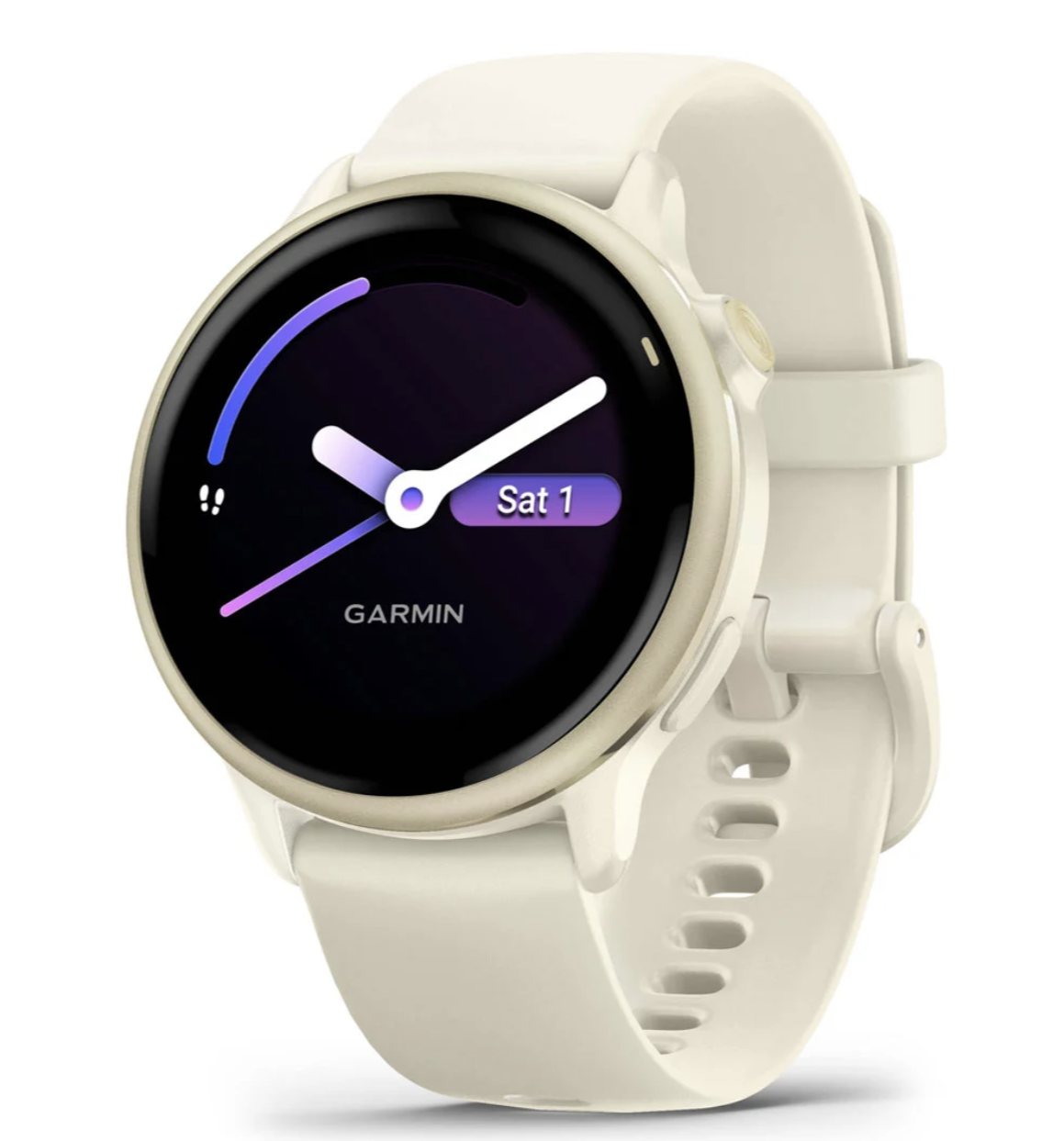
A bright, easy-to-read display and up to 11 days of battery life mean it just keeps counting, charging cables optional. Body Battery energy monitoring and a built-in sleep coach round out the everyday picture.
Fitbit Charge 6
Fitbit
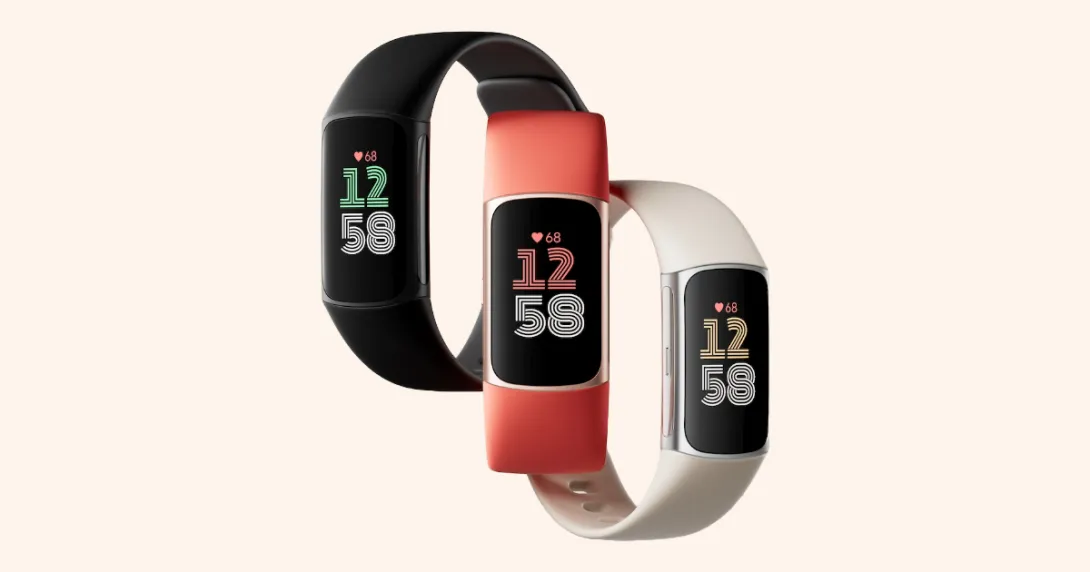
Fitbit’s best-selling tracker, now with Google built in. Heart rate tracking is up to 60% sharper during workouts, powering everything from Active Zone Minutes to your Daily Readiness Score.
WHOOP 5.0
WHOOP
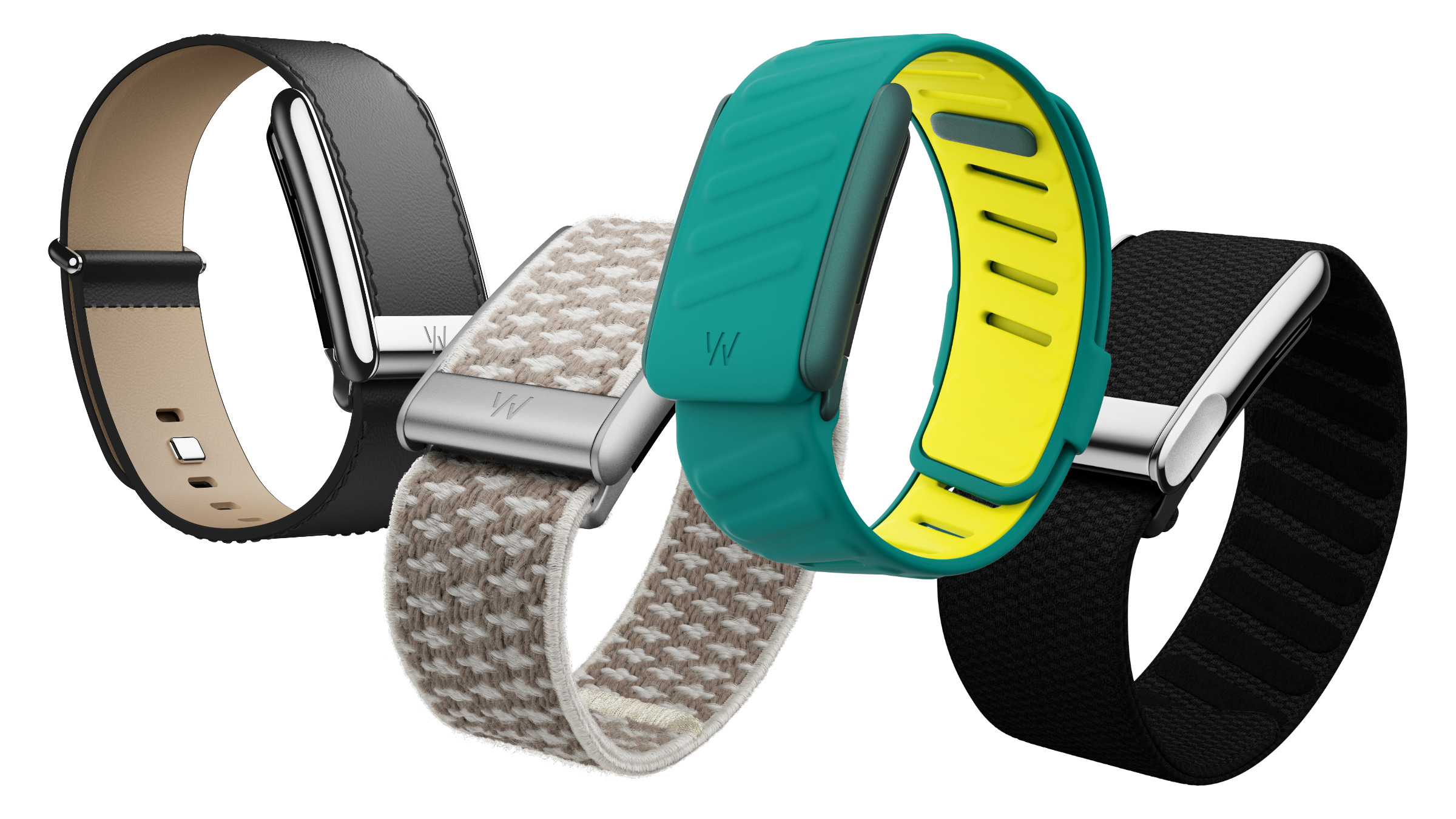
Screen-free and built for people who want the data without the distraction. 14+ days of battery life, plus recovery insights that go well beyond a step count.
Consistency isn't glamorous, it's just what works.
If you're looking to make your walks a little more fun, we built an entire shop collection for that: