
What Is the Vagus Nerve? What It Does and How to Stimulate It
A guide to the nerve that connects your brain to your heart, lungs, and gut, and the ways people try to support it.
This post contains affiliate links. Stridekick may earn a commission on purchases.
Think of the tight, buzzy feeling before a big meeting, a stomach that acts up when you're anxious, or how common it is to reach for slow breathing when you need to calm down. The vagus nerve is part of how your brain and body talk to each other in moments like these. It's one of the body's main communication lines to organs like the heart, lungs, and gut, and a central part of the "rest and digest" system that helps you settle after stress.
Can you stimulate it to feel better? Everyday habits, starting with slow breathing and regular movement, are the best-supported place to begin, and doctors use implanted stimulators for certain medical conditions.
Wearable ear devices like Nuropod are a newer option, and the research on them is still early. If you have a heart rhythm condition, an implanted device, or you're pregnant, talk to your doctor before trying any stimulation device.
What Is the Vagus Nerve?
The vagus nerve is the longest of your 12 cranial nerves, the ones that connect directly to the brain. You have two, one on each side. They start in the brainstem and wander (vagus is Latin for "wandering") through your neck, chest, heart, lungs, and abdomen, ending at the large intestine.
Together, the two nerves carry about 75% of the parasympathetic nervous system's nerve fibers. That's the "rest and digest" side of your autonomic nervous system, the part that runs things you don't think about, and it works as the counterweight to "fight or flight".
What Does the Vagus Nerve Do in the Body?
Because it reaches so many organs, the vagus nerve has a long job list.
Heart and breathing. It helps regulate your heart rate and the way signals travel through the heart, and it plays a part in blood pressure and breathing. Slow breathing, covered below, is one of the most studied ways to engage this part of the system.
Digestion and the gut-brain link. The vagus nerve helps move food through your digestive tract and carries signals between your gut and your brain. When it's damaged, the stomach can empty too slowly, a condition called gastroparesis.
Voice, swallowing, and taste. Branches of the nerve serve your throat and voice box, which is why trouble swallowing or ongoing hoarseness can point to a vagus problem.
Immune response and mood. Researchers link the vagus nerve to immune responses and mood, and they're still working out how much influence it has on inflammation.
Fainting. In some people, the nerve to the heart overreacts to triggers like heat, hunger, pain, or stress, and blood pressure drops suddenly. That's called vasovagal syncope.
What Is Vagal Tone, and Why Do People Care About It?
Vagal tone describes how actively the vagus nerve helps your body calm down and recover from stress. Higher vagal tone is associated with a more flexible, resilient nervous system.
You can't measure it directly at home, so researchers usually track it through heart rate variability, or HRV, which is the small beat-to-beat variation in your heart rhythm. Studies of breathing and exercise, covered below, use HRV this way.
Why Would Stimulating the Vagus Nerve Be Beneficial?
Doctors already put this nerve to work. They can implant a small device in the chest that sends gentle pulses to the left vagus nerve, and the FDA has approved it for epilepsy, treatment-resistant depression, and stroke rehabilitation, in each case as an add-on to other care and not a cure. Researchers are studying other uses, though studies so far are too small to say whether it helps.
For everyday life, what most people want is simpler: a calmer stress response and an easier time recovering. Higher vagal tone is associated with that kind of resilience, which is why habits that support the nerve are worth knowing.
How Can You Stimulate Your Vagus Nerve Naturally? 6 Simple Ways to Start
You don't need any equipment to begin. Pick one or two of these and attach them to something you already do, like your morning commute or brushing your teeth. They're low-risk, and the first two have the most research behind them.
- Slow your breathing with a longer exhale. Breathe in through your nose for four counts and out for six. Try a few minutes at your desk before a stressful meeting, at a red light, or in bed. A systematic review of 223 studies found that voluntary slow breathing raised vagally mediated HRV, both during the breathing and after training.
- Move most days. Walking, yoga, and stretching all count. A review of 26 studies in sedentary adults found that exercise training was associated with a small increase in vagal HRV measures, and most of the studies used moderate-intensity exercise about three times a week. The authors rated most of the studies as fair or poor quality, so treat it as encouraging, not conclusive.
- Hum, sing, or chant. Do it in the shower, in the car, or along to your playlist, and no singing skill is required. These are often suggested because the nerve connects to the throat and voice box, though the research is still emerging.
- Splash cool water on your face. Or finish your shower with a cooler stretch. Start gently, since extreme cold isn't right for everyone, and know that the evidence here is also still emerging.
- Keep your sleep and meals steady. Consistent sleep habits, hydration, and balanced meals support nervous system health in general. Going to bed and waking up at similar times is an easy place to start.
- Spend time with people who make you feel at ease. Feeling emotionally safe and supported can help calm the nervous system. A walk with a friend covers movement too.
None of these is an instant reset. They work best as regular habits that nudge your body toward feeling calmer over time. And if you have frequent dizziness or fainting, trouble swallowing, ongoing hoarseness, heart rhythm changes, or lasting digestive problems, see a doctor instead of reaching for a breathing exercise.
Do Vagus Nerve Stimulation Devices Work? What the Research Shows So Far
If you've been trying these habits and want to go a step further, wearable devices are where many people look next. Breathing and movement reach the nerve indirectly. A wearable approaches it from the ear, which has vagus nerve sensory input.
The research on this kind of device in general is still catching up. Cleveland Clinic notes that external devices can't match the frequencies and voltages of implanted ones because their signals have to pass through skin, and that their long-term side effects aren't fully known. One 2021 meta-analysis of 17 sham-controlled studies in healthy people found that ear stimulation didn't change HRV compared with a placebo setting. The authors suggest HRV may not be the right yardstick, and the search ended in 2020, so newer work may differ.
So the sensible way to see a device is as something to try on top of the habits above, not instead of them.
What Is Nuropod, and How Does It Fit In?
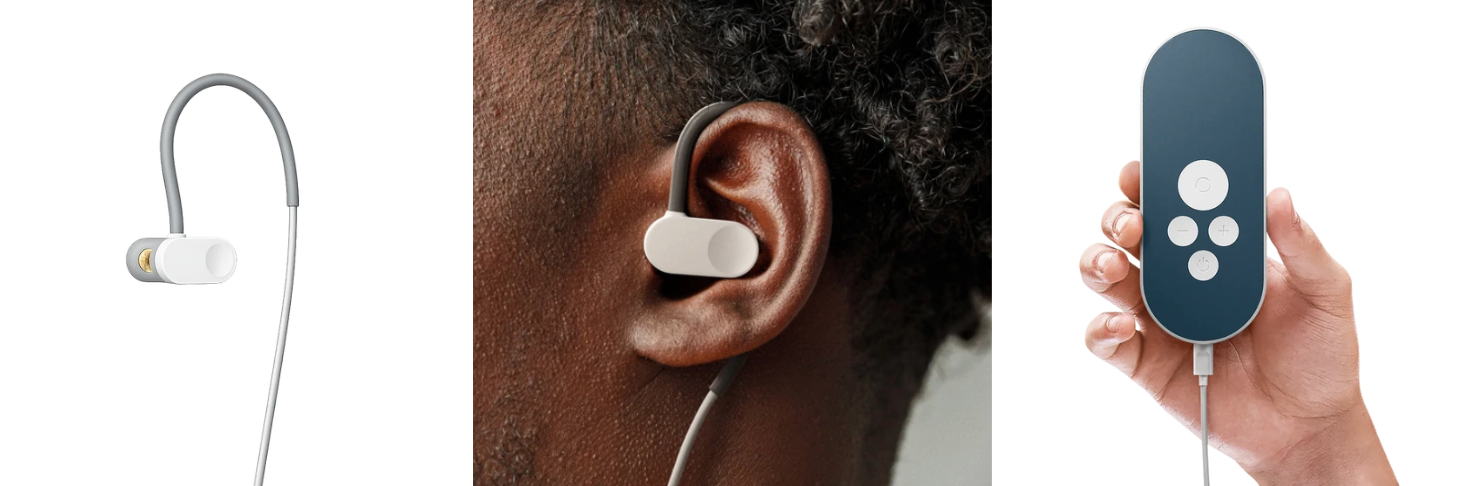
Nuropod is a wearable earpiece that sits on the tragus, the small flap of cartilage in front of your ear canal, and gently stimulates the vagus nerve. Its maker, Parasym Scientific, markets it for everyday stress, sleep, energy, and recovery. You wear it for 15 to 60 minutes a day while you work, read, or wind down, and feel a light tingling on the ear.
The kit includes the device, earpiece, charger, travel case, a quick-start guide, and a 30-day money-back guarantee.
What about the research behind Nuropod itself?
The studies above are about vagus nerve stimulation in general. Nuropod's maker says its technology is backed by research, but the pages we checked don't name the studies, so we can't tell you what they found or whether the results apply to this device. Nuropod notes its statements haven't been evaluated by the FDA. It suits someone who already has the basics down and wants to try a wearable on top of them.
Nuropod is HSA/FSA eligible, so shoppers with an HSA or FSA may be able to use pre-tax funds toward it, depending on their plan. Check with your plan administrator if you're unsure.
See Nuropod in the Stridekick Shop or browse the HSA/FSA collection
Who Should Talk to a Doctor Before Trying Vagus Nerve Stimulation?
Doctors list several reasons not to have an implanted stimulator, including heart rhythm abnormalities, breathing problems like asthma or sleep apnea, pregnancy, dysautonomia, insulin-dependent diabetes, and having only one vagus nerve.
Wearable devices work differently from implants, but they act on the same nerve, so it's sensible to ask your doctor first if any of those apply, and especially if you have a pacemaker or another implanted device. Read the manufacturer's instructions, and stop if you feel dizzy, short of breath, or unwell.
Is It Worth Trying to Stimulate Your Vagus Nerve?
Start with the habits. Slow breathing costs nothing, and regular movement helps in plenty of other ways. If you're curious about a device on top of that, and you're comfortable that the research is still early, Nuropod is one option to try, with HSA/FSA eligibility.
Curious about a wearable approach? Shop Nuropod