
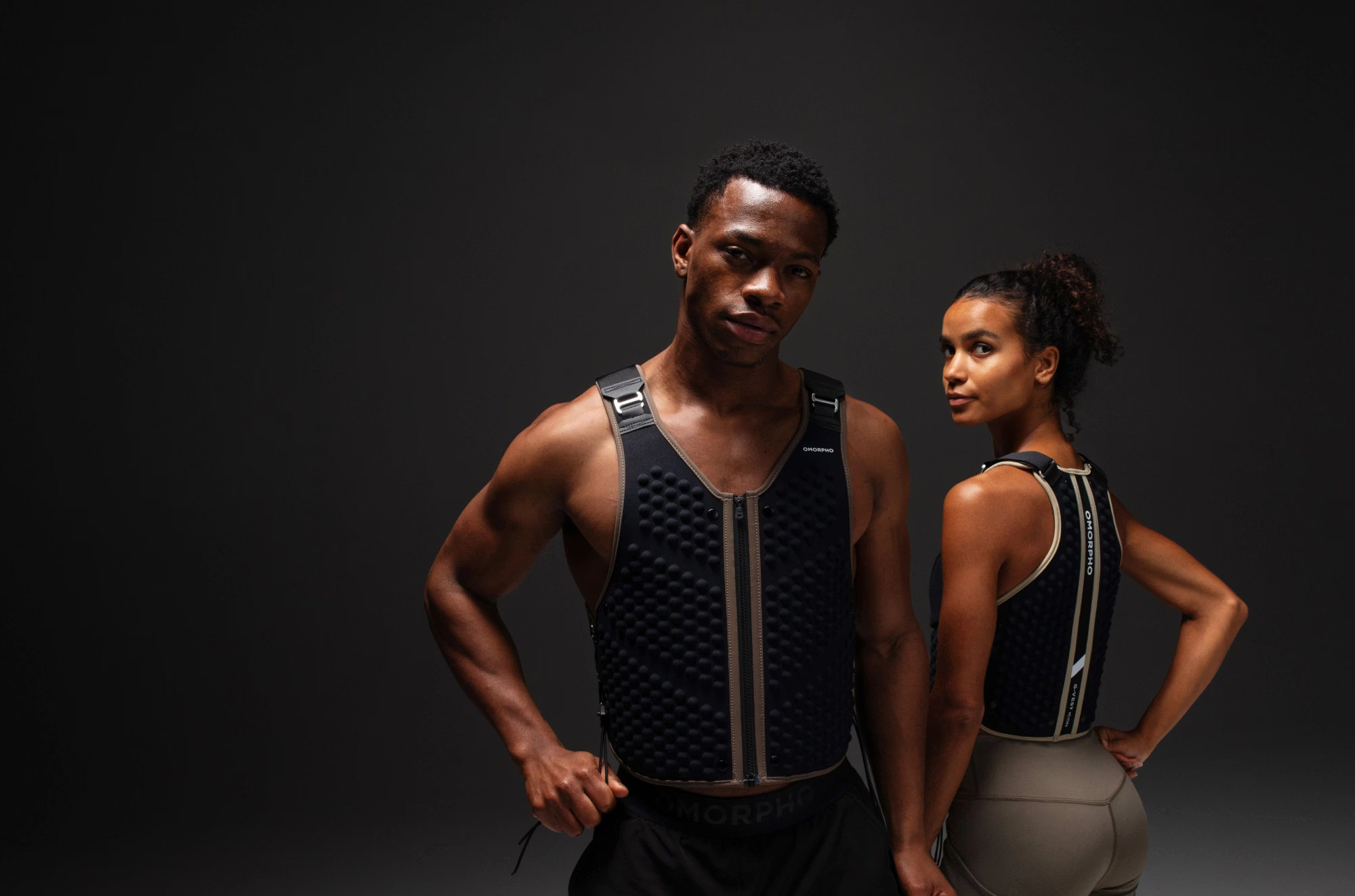
Omorpho G-Vest Icon Review: Is This Weighted Vest Worth It for Walking?
A closer look at Omorpho's slim, adjustable weighted vest and how it fits into a walking routine.
This post contains affiliate links. Stridekick may earn a commission on purchases.
Most weighted vests look like what they are: a vest with bags of weight sewn in. The Omorpho G-Vest Icon takes a different approach. Its weight comes from small stainless steel spheres spread flat across the front and back, so it sits close to the body like a layer, and snap-in G-Packs let you raise the weight from 6 to 12 pounds (women's) or 10 to 20 pounds (men's) as your walks get easier.
Is it worth it for walking? If you want a comfortable, low-profile way to make your regular walks harder, and a vest you can grow into, yes. It's one of the easier weighted vests to recommend, and it's HSA/FSA eligible.
What Makes the Omorpho G-Vest Icon Different From Other Weighted Vests?
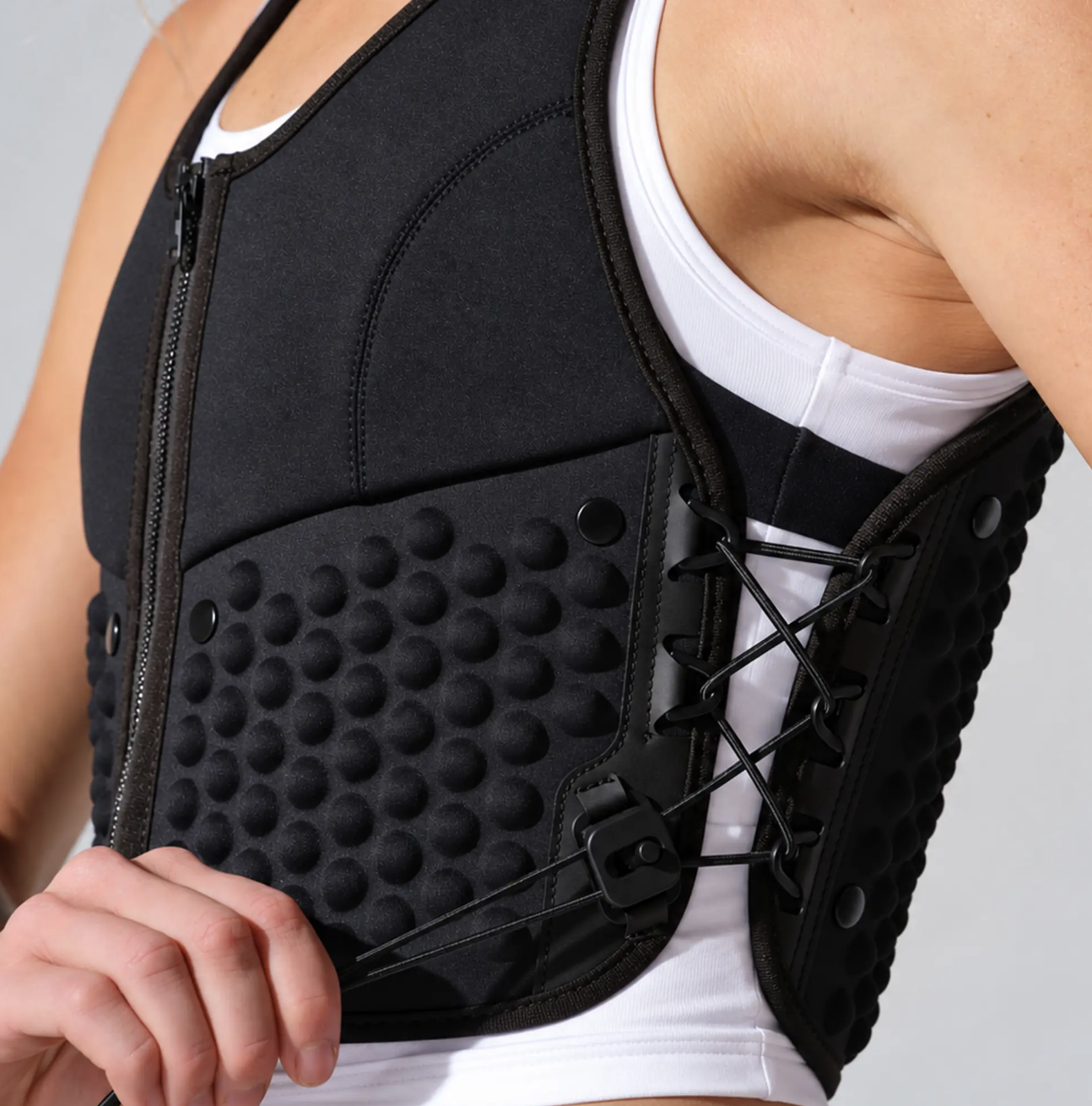
The vest's design is built around a system Omorpho calls MicroLoad: small stainless steel spheres set into laminated panels instead of sandbags or metal bars. Since the weight is spread across the torso in small pieces, the vest stays close to the body with minimal bounce instead of swinging around like bulkier vests.
On a walk, the weight rides with you instead of shifting with every step. Reviewers also describe the slim, form-fitting profile as a premium build and say the load feels subtle once it's on.
Weight that grows with you. The women's vest starts at 6 pounds and the men's at 10. Three flat G-Pack panels snap inside to take the women's vest to 12 pounds and the men's to 20 (Recovery for Athletes). Starting light makes it easy to ease in, and the G-Packs give you room to progress without buying a second vest. Just note that they are sold separately.
A fit that's easy to dial in. Shoulder straps and side cords let you adjust the fit, and the cords lock with one pull and tend to stay put. Stretchy side panels keep it snug without feeling restrictive, and the straps spread the load evenly across both shoulders.
Easy on and off, and comfortable in warm weather. A full-length front zip and a curved hem make the vest quick to get in and out of, and it can be worn directly on bare skin, which helps on summer walks. Care is simple too: spot-clean or hand-wash in cold water and hang it to dry in the shade.
How Would You Use a Weighted Vest for Walking?
The simplest way is to wear it on a walk you already take. The route, the pace, and the podcast stay the same, but the effort goes up a notch. Reviewers found the Icon works well for walking, and Omorpho's own walking page pitches it for hikes and longer outings as well. Because it's so low-profile, it also suits short bursts of movement through the day, like a brisk lap around the block on a lunch break or a weighted walk with the dog.
On strength days, the vest makes bodyweight moves like planks and squats harder while leaving your hands free, so it can double as a simple add-on to a home workout. And if you like to track progress, the snap-in panels give you a clear next step: a few comfortable weeks at one weight, then add a G-Pack.
The key is easing in. Experts suggest starting with an unweighted vest to check the fit, then adding weight at about 5 percent of body weight, only increasing after two to three weeks of comfortable sessions, and keeping the maximum around 10 to 15 percent.
What Does the Research Say About Walking With a Weighted Vest?

Weighted walking has some encouraging research behind it, mostly from small studies. In a 2019 pilot randomized trial of adults over 60, people who wore a vest at 10 percent of body weight during a 12-week home program of lower-body exercises and 30-minute walks three times a week improved more on several measures than the comparison group, including the 30-second chair stand and the six-minute walk test.
A separate American Council on Exercise study of 13 untrained women found that vests at 10 and 15 percent of body mass raised calorie burn and exercise intensity during walking at 2.5 miles per hour, and its authors suggested a 10 percent vest was enough to make a difference.
Neither study tested the G-Vest Icon, since they looked at weighted vests as a category. What they suggest is that adding a modest load to walking can make it more demanding, which is the reason most people buy a vest in the first place.
Bone health is a separate question, and the evidence there is more mixed. A 2025 randomized trial of 150 older adults with obesity found that neither a weighted vest nor resistance training prevented hip bone loss during weight loss, and few studies compare vests with proven exercise like resistance training. We'd buy the Icon as a walking upgrade, not as a bone treatment.
What Should You Know Before Buying a Weighted Vest?

A few practical notes will help you feel comfortable from the first walk. Start light, with the 6- or 10-pound vest, and add G-Packs only after a few comfortable weeks. Stop if you notice new or worsening back, hip, knee, or foot pain, dizziness, shortness of breath, or numbness or tingling in the legs, and get checked. One reviewer found the vest slightly limited spinal flexion, which made backbends less comfortable, so expect a short adjustment period for some movements. And because the weight is modest by design, it's still light for harder workouts, which suits walking but may feel limited for heavy training.
If you have osteoporosis, disc disease, hip arthritis, or a spinal injury, check with your doctor first. Users with osteoporosis should be supervised, since excess or poorly distributed weight can raise fracture and fall risk.
Who Is the Omorpho G-Vest Icon Best For?
The Icon is a good fit if you already walk most days and want a simple way to make it more challenging, if you've tried bulky vests that bounced or felt awkward, or if you like the idea of a vest that grows with you through snap-in panels instead of a second purchase. It also suits people who want a low-profile vest for hikes, lunchtime walks, or bodyweight workouts at home, and shoppers who want to use HSA or FSA funds.
It's a less natural fit if you want a heavy vest for intense training, or if your main goal is building bone, since the research doesn't show that yet.
Is the Omorpho G-Vest Icon Worth It?
For walkers, yes. You get a slim vest that stays close to the body, an easy way to add weight over time, women's and men's versions, and HSA/FSA eligibility through the Stridekick Shop. Reviewers like the comfort and the fit, the small studies on weighted walking are encouraging, and the weight can grow as your walks do. If you want to make a daily walk a little more demanding without wearing something bulky, it's an easy vest to recommend.
Ready to add some weight to your walks? Shop the G-Vest Icon
Which G-Vest Icon Should You Buy, and Is It HSA/FSA Eligible?
The women's vest starts at 6 pounds and comes in S-M, M-L, and XL at one retailer, which notes its fit model, who is 5 feet 9 inches, wears S-M. The men's starts at 10 pounds. Check Omorpho's size guide before ordering. If you plan to progress, the G-Pack is the add-on to consider.
It's HSA/FSA eligible, so shoppers with an HSA or FSA may be able to use pre-tax funds toward it, depending on their plan. Check with your plan administrator if you're unsure.