

Low-Effort Habits to Improve Your Gut Health, from Dietitians
Gut health sounds complicated, but it doesn't have to be. Two dietitians share realistic, lazy-day-friendly habits, from fiber to fermented foods, that support a healthier gut without the overwhelm.
This post contains affiliate links. Stridekick may earn a commission on purchases.
Gut health is one of the most talked-about topics in wellness: personally, we never thought we’d spend so much time chatting about our GI tract, but here we are. Its buzziness likely comes from its influence over everything from digestion to immunity to skin health and mental wellness, placing it at the center of various common health concerns. Still, you don’t have to overhaul your diet or go all-out on pricey supplements to make your gut happy.
We reached out to two dietitians for realistic, lazy-day-friendly tips for a healthier, more balanced gut. Keep reading for their takes!
The Experts
- Jennifer Pallian, BSC, RD, Food Scientist and Recipe Developer at Foodess
- Kamila Veljkovic, MS, CNS, LDN at Complete Health for Women
What Does it Mean to Have a Healthy Gut?
“A healthy gut is one that functions as it should. That means you're able to digest and absorb nutrients efficiently without symptoms like bloating, gas, discomfort, or irregular bowel movements,” says Pallian. “It also includes a healthy gut barrier and a diverse, balanced gut microbiome that works alongside the rest of the body to keep you healthy.”
Your gut includes the stomach, colon, and intestines. While these organs are often called the digestive system, they play many roles throughout your body: “The gut microbiome does much more than help digest food. It helps break down dietary fiber, produces vitamins such as vitamin K, supports nutrient absorption, regulates immune function, strengthens the gut barrier, and helps protect against harmful pathogens,” adds Pallian. “When that balance is disrupted—a state known as dysbiosis—the risk of conditions such as inflammatory bowel disease, obesity, diabetes, cardiovascular disease, and other chronic inflammatory diseases increases. That's why gut health isn't just about avoiding digestive problems; it's an important part of overall health.”
Habits That Might Be Harming Your Gut
Many of us might be guilty of gut disruption without even realizing it. We asked our pros to enlighten us about common habits that can work against your gut; Veljkovic notes that some of the biggest culprits are:
- Poor sleep hygiene
- Infrequent eating or intermittent fasting, which can cause overeating at the next meal
- Eating too many processed foods
- Food sensitivities
- Untreated gut infections or autoimmune conditions
- A lack of physical activity
Another major habit that your gut regrets? Not eating enough fiber.
Fiber and Your Gut

“One of the biggest habits working against gut health is simply not eating enough dietary fiber,” says Pallian. “Fiber is the preferred fuel source for beneficial gut bacteria. When those bacteria ferment fiber, they produce short-chain fatty acids (SCFAs), which help maintain the gut barrier, support immune function, and keep the gut functioning properly.”
“Without enough fiber, microbial diversity declines, SCFA production drops, and the gut microbiome begins to shift in less favorable ways. Over time, these changes have been linked to chronic inflammatory diseases and other adverse health outcomes,” Pallian adds.
If fiber isn’t your number-one nutritional priority, you’re actually in the majority: “More than 90% of women and 97% of men in the United States fail to meet the recommended fiber intake. Over time, low-fiber Western dietary patterns can reduce microbial diversity and even contribute to the loss of beneficial bacterial species,” says Pallian.
Thankfully, it’s never too late to start reaping the benefits of fiber by adding more natural sources (like whole grains, legumes, seeds, and fruits and veggies) to your plate. And if you’re looking for a deeper dive into the fiber world, check out our article about fibermaxxing (which turns out to be a pretty solid concept, as far as TikTok trends go).
Easy Ways to Improve Your Gut Health
It’s probably simpler than you expect to keep your gut healthy. Here’s what our pros recommend.
Move More.
“Regular physical activity is one of the strongest lifestyle factors influencing the gut microbiome. Moderate exercise has consistently been shown to increase microbial diversity, encourage the growth of beneficial bacteria, increase short-chain fatty acid production, strengthen the gut barrier, and reduce inflammation,” says Pallian. “It also supports bacterial populations associated with better metabolic health and healthy immune function.”
If metabolic health is the piece you're most interested in, it's worth knowing your gut bacteria play a direct role there too — certain strains, like Akkermansia muciniphila, are specifically tied to that connection. Pendulum Metabolic Daily is built around exactly that strain, so it's worth a look if you want your gut routine to do double duty.
Pair it with movement and you're covering both angles — if you need a simple, actually achievable way to up your movement levels, try setting a step challenge with your friends!
Manage Stress.
Easier said than done, we know. But adding stress management to your wellness to-do could benefit your gut. “Stress has a significant impact on gut health. It can alter the gut microbiota and has been recognized as a factor that can worsen gastrointestinal conditions such as inflammatory bowel disease,” says Pallian.
Timing Matters.
Find yourself eating breakfast in the afternoon, or having a three-in-one meal for dinner? It happens to the best of us on busy days, but it can affect your gut.
“Meal timing matters because the gut microbiome follows its own circadian rhythm. Irregular eating patterns, shift work, social jet lag, and circadian disruption can alter the composition of the gut microbiome, reduce short-chain fatty acid production, impair gut barrier function, and increase intestinal permeability and inflammation,” says Pallian. “Eating on a consistent schedule—particularly through early time-restricted feeding that aligns with the body's natural circadian rhythms—appears to support microbial diversity, improve microbial function, and help maintain a healthy gut barrier.”
But it’s not just the timing that matters: “Eating speed affects how our food enters our bodies. If you eat quickly and do not chew your food, these large particles are not fully digested in the body. Food needs to be masticated and chewed so the body can produce the enzymes needed to break down the proteins and fats in our food,” says Veljkovic.
If you’re a natural speed-eater, try putting down your utensil between bites, or sipping water between mouthfuls.
Stay Hydrated.
“Hydration matters, too. Adequate water intake helps maintain normal gastrointestinal function, while chronic water restriction can alter the gut microbiome, impair immune function within the gut, increase constipation, prolong gastrointestinal transit time, and reduce the body's ability to eliminate intestinal pathogens,” says Pallian.
Make Small Dietary Shifts.
You don’t have to give up your go-to comfort food, but switching out some processed indulgences for more gut-friendly options can make a major difference in your health.
- Prioritize whole plant foods: “Eat the rainbow of fruits and vegetables. Fiber is a natural source of prebiotic fiber, which feeds the beneficial bacteria in your gut…Paired with protein, it helps to keep you fuller longer and prevents insulin spikes,” says Veljkovic.
- Add fermented foods with live cultures to your routine and enjoy them regularly. “Fermented foods with live cultures are another simple addition that can have a meaningful impact on gut health,” says Pallian.
.jpg)
Good options include kimchi, miso, and yogurt, and if you’re worried about getting enough beneficial bacteria through your diet alone, talk to your doctor about whether a probiotic supplement could work for you.
“One important point is that the microbes found in fermented foods with live cultures do not typically take up permanent residence in the gut. Instead, they pass through and interact with the existing microbial community. This means consistency matters,” Pallian adds.
Need some recipe inspo? Pallian suggests breakfast tacos with kimchi, scrambled eggs, avocado, cucumber, and cilantro; miso noodle soup with broth, miso paste, noodles, bok choy, tofu, and green onions; and frozen Greek yogurt bark topped with fruit.
- Limit highly processed foods. “Small swaps can add up over time. Choosing a homemade chickpea or bean burger instead of a fast food burger, adding kimchi to a meal, enjoying baked kale chips or air fryer sweet potato chips rather than a bag of potato chips, or making a lentil-based shepherd's pie instead of a meat-based shepherd's pie for dinner are all simple ways to increase foods that support the gut while reducing reliance on foods that may work against it,” says Pallian.
And when in doubt, talk to a pro: “If you have a gut issue, seek help from a certified nutrition specialist who specializes in gut disorders…Most insurance carriers cover the cost of nutrition visits. Don’t immediately go the route of the various cleanses, fiber, or other supplements when there is a bevy of whole foods that can easily help fix non-chronic gut issues,” says Veljkovic.
Shop the Gut-Friendly Routine
A happy gut doesn't ask for much, just a few small, consistent habits that add up over time. Whole foods do the heavy lifting, but these picks from our Shop make it easy to fill the gaps.
Metabolic Daily
Pendulum
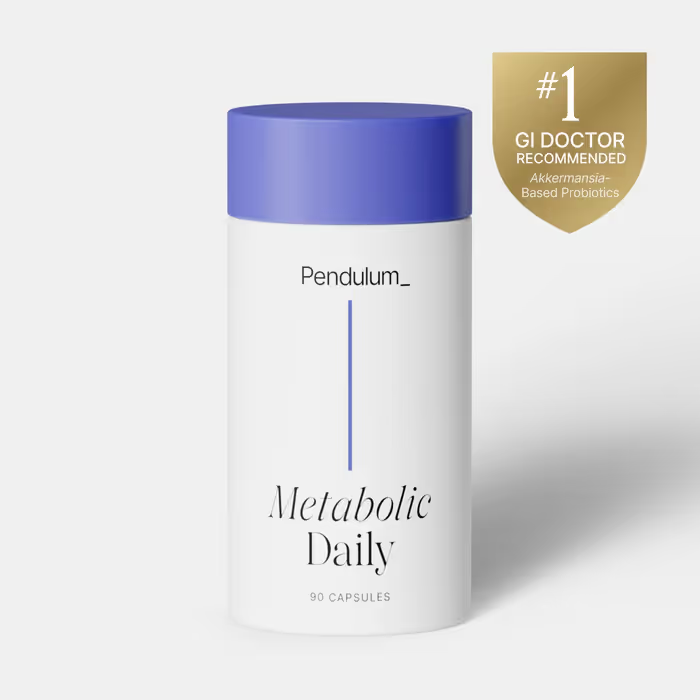
A 5-strain live probiotic built around Akkermansia muciniphila — a strain so difficult to manufacture live that Pendulum remains the only U.S. company that's pulled it off. Supports gut lining strength and metabolic health in one daily capsule.
Shop Metabolic Daily | HSA/FSA Eligible
Daily Synbiotic
Seed
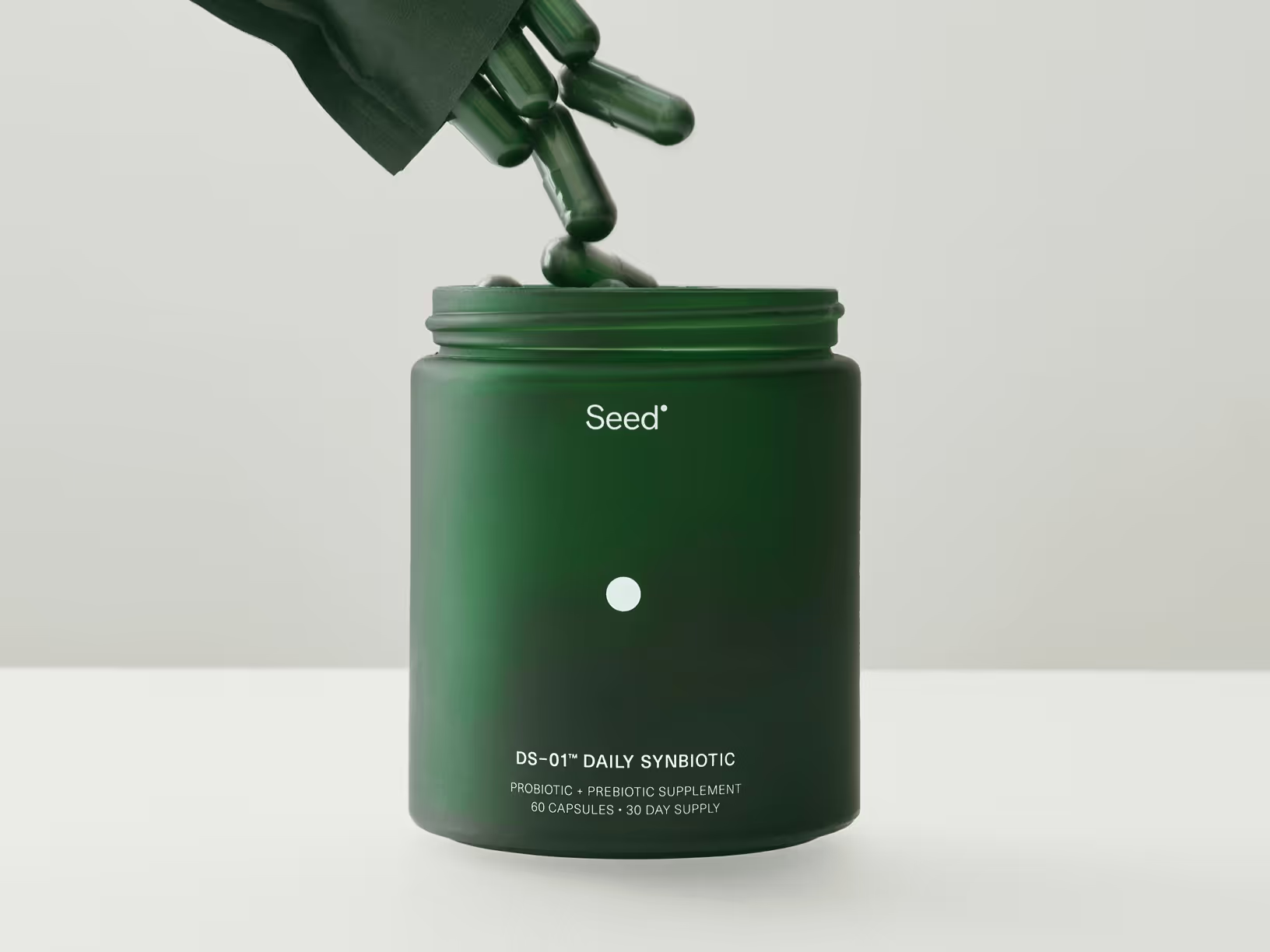
24 clinically-studied probiotic strains and 53.6 billion AFU per serving, wrapped in a capsule-in-capsule design so they actually survive digestion. Clinically shown to ease bloating and improve regularity.
Peach Mango Daily Fiber Mix
BelliWelli
.webp)
4g of acacia fiber per scoop, the gentler kind that supports a diverse microbiome without the extra gas, plus probiotics, collagen, and electrolytes in a flavor reviewers call genuinely delicious.
Digestion Bundle Pack
Sunwink
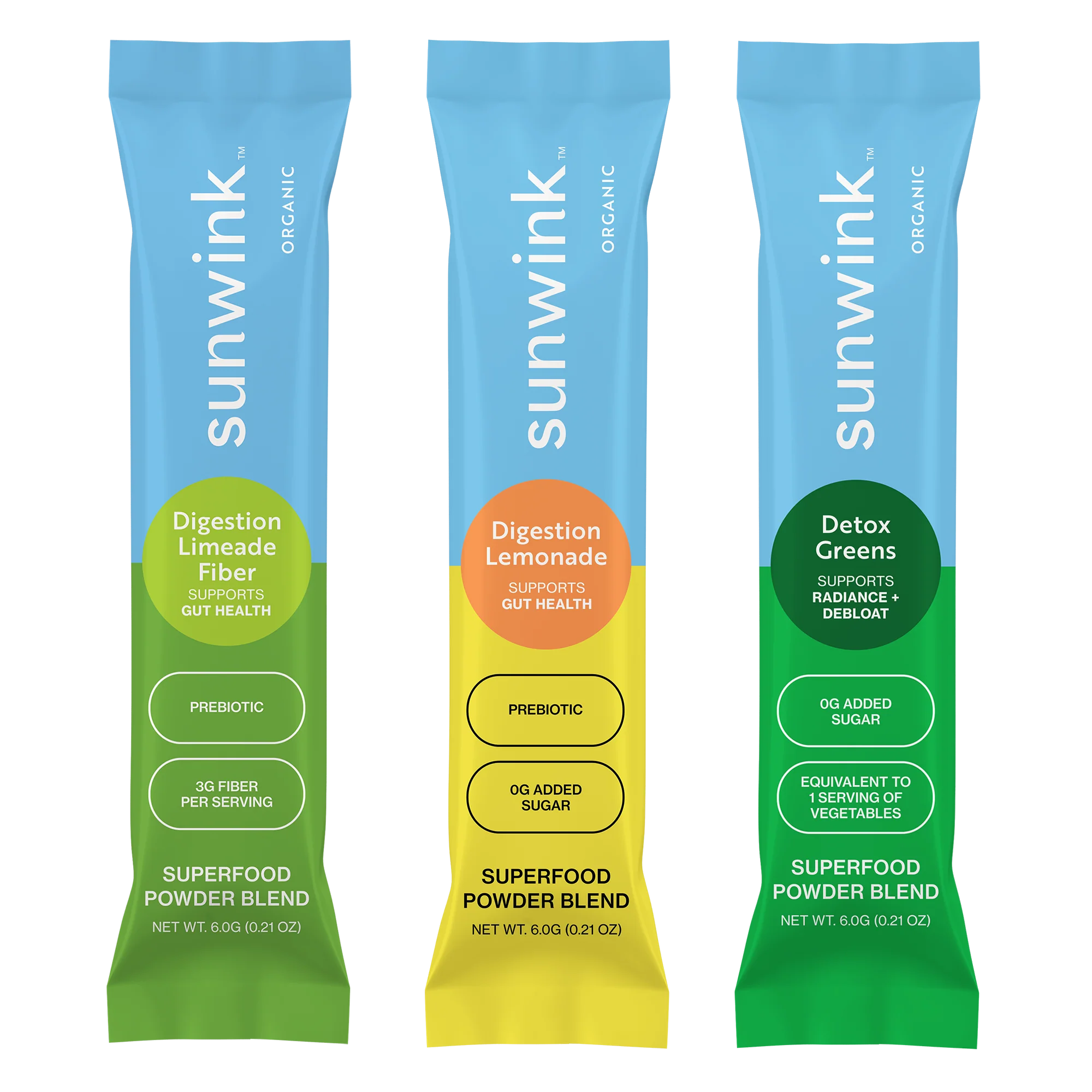
Three superfood powders in one bundle: a fiber-forward limeade, a lemonade with chicory root and dandelion, and a debloating greens blend. Mixes into water, smoothies, or whatever you’re already drinking.
What's good for your gut tends to show up everywhere else too: your skin, your energy, your mood.
If you're ready to build a routine around it, we built an entire shop collection for that:
🔗 https://stridekick.com/collections/glow-up-from-the-inside-out