
How to Use Your HSA/FSA to Build a Workout Supplement Stack
That HSA/FSA balance burning a hole in your pocket? If your supplements are tied to a documented medical need, you can use pre-tax dollars to purchase.
You've been saving up that HSA or FSA money all year, and now you're looking at a balance that's itching to be spent on something more fun than a copay. If you know the rules, those pre-tax health bucks can actually help you build a solid workout supplement stack.
But take a pause before you throw that protein powder in your basket — there's a few things you should know. The IRS says supplements can count as an HSA/FSA expense, but only if they're helping treat or manage a legit medical issue (check out Publication 502 for details). This means things like nutrient deficiencies, muscle wasting, metabolic conditions, or injury recovery. Just wanting bigger guns or buns won't impress the IRS, even if they impress your TikTok followers. You'll need a doctor's recommendation connecting the supplement to a specific health concern. Usually, a Letter of Medical Necessity (LMN) from your provider is the golden ticket, and services like Truemed can streamline the process.
With that in mind, here are some evidence-backed supplements from the Stridekick Shop that both support your workouts and legitimately improve your health.
Creatine for Strength and Recovery

If there's one supplement with a mountain of research behind it, creatine is it. Systematic reviews consistently show that creatine monohydrate improves strength, power output, and lean mass when you combine it with resistance training. It works by helping your muscles regenerate ATP (your cells' energy currency) faster during intense efforts, so you can push harder and recover more efficiently.
There's also emerging evidence that creatine might help your muscles recover after a tough workout. Beyond the gym, some research suggests creatine could be helpful for women, vegans, and folks dealing with specific health issues, including for brain function, sleep, and mood (though, more research is needed).
For HSA/FSA purposes, creatine may qualify if it's tied to diagnoses like age-related muscle loss (sarcopenia), or musculoskeletal conditions. Nutrigenius+ Creatine Monohydrate Micronized is a great entry point, or grab the 1kg tub of Naked Creatine Monohydrate Powder if you're planning to stick with it long-term (which you should, since consistency is where creatine's results come from).
Protein for Muscle Support and Recovery
Your muscles are hungry for amino acids to repair and grow after training, and protein supplements make hitting your daily target a whole lot easier. Studies show that whey protein is a star player in kickstarting muscle growth and getting better results from your training.
Though collagen isn't a complete protein and lacks all of the amino acids you need for muscle growth, adding some collagen peptides to your stack is great for keeping your joints happy and your connective tissues strong, and might even help calm down muscle soreness after a tough session.
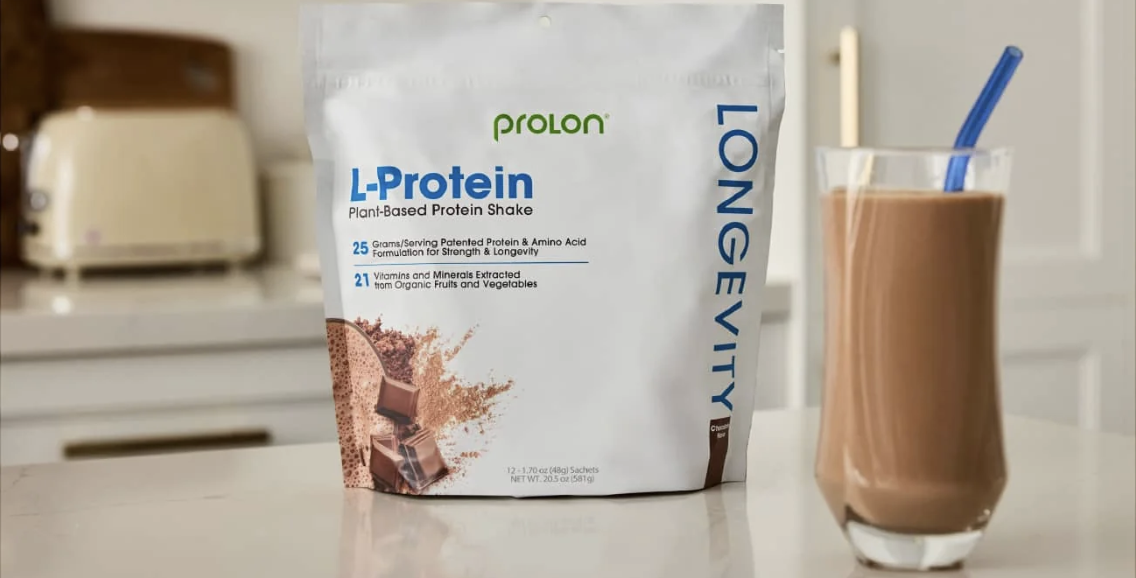
The Noble All-In-One Protein Bundle combines whey and collagen with probiotics and greens, covering multiple bases in a single scoop. An RCT on Bacillus coagulans (one type of probiotic) found it reduced exercise-induced muscle damage and improved recovery [11], so the probiotic addition here is a nice bonus. If you prefer something simpler, L-Protein is a clean option for straightforward protein support.
A trial on Bacillus coagulans (a type of probiotic) found it helped reduce muscle damage from exercise and improved recovery, so the probiotic is a nice bonus here. If you prefer something simpler, ProLon's L-Protein is a clean, plant-based option for just getting your protein in.
These products may be HSA/FSA eligible for conditions like protein malnutrition, injury recovery, or diagnosed musculoskeletal issues.
Cardio and Circulation Support

Nitric oxide (NO) helps with widening your blood vessels and getting blood flowing. Research shows that helping your body make more NO with things like L-arginine and L-citrulline can support your heart and blood vessels. Plus, some studies show that these NO-boosting supplements might even improve exercise performance, especially if you're new to the gym or just moderately trained.
Cardio Miracle is a comprehensive blend to boost nitric oxide, while SuperBeets Heart Chews are a simpler (and tastier!) option based on beets. Just a heads-up that NO supplements can mess with blood pressure meds and some heart treatments, so have a chat with your doctor before adding these to your routine.
Hydration and Daily Nutrition
Rounding out your stack with hydration and micronutrient support is a smart move, especially if you're training hard. Certain trace minerals support immune function, especially when you're not getting enough through diet, and electrolytes are super important for keeping your muscles working and you hydrated. If you sweat a lot, you lose a lot of sodium and fluid. Losing even a little bit of body weight in fluids (just 2%) can mess with your strength, stamina, coordination, and focus. To fix this, you need to put those electrolytes back in during and after major losses. Better hydration means your heart works less hard, you don't overheat as easily, workouts feel better, you can go longer, recover faster, and think more clearly.
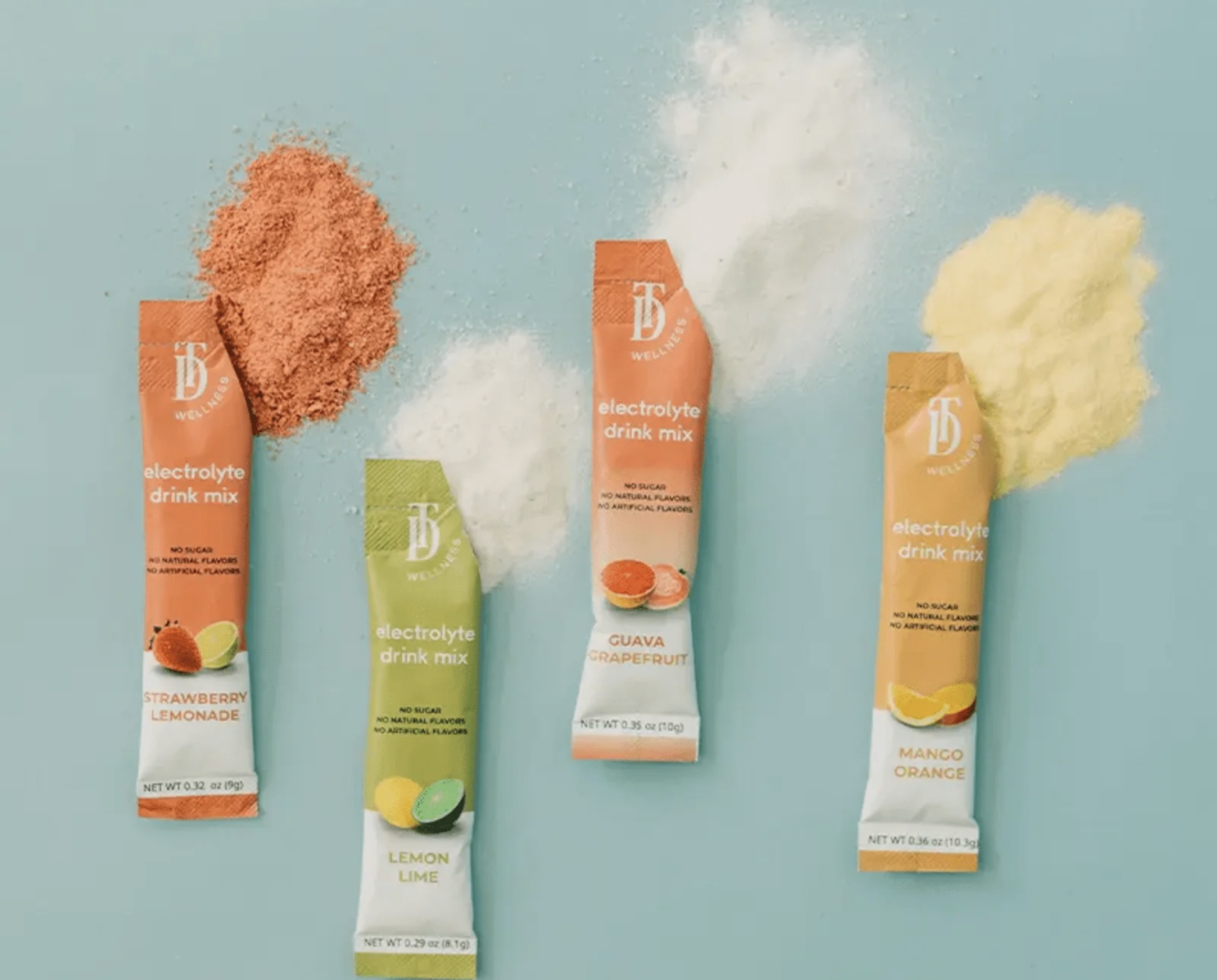
Buoy Hydration Drops have ocean-sourced electrolytes and trace minerals in concentrated liquid form, and the Electrolyte Drink Variety Pack from Taylor Dukes Wellness with its multiple flavors and cute little individual packs makes hydration super convenient and fun.
For all-around nutrition, the Huel's Superblend mixes plant protein, greens, and adaptogens. Since research shows probiotics and functional foods are great for your gut and immune system, this kind of easy meal support can really help when you're too busy to eat perfectly.
Before You Check Out
A few things to keep in mind when using your HSA/FSA money for supplements. Always check with your plan administrator first because what's covered can be different everywhere. You'll need to get a Letter of Medical Necessity (LMN) from your doctor that connects the supplement to a specific diagnosis (with an ICD-10 code) and make sure to hang onto your receipts for when you need to get reimbursed. Remember, for it to be eligible, the product needs to be considered a medical necessity, so chat with your provider to link your supplement picks to your health needs.
Head over to the Stridekick Shop to explore these products and start building a stack that works for your body (and your wallet).