

Here’s How Human Connection Can Transform Your Fitness Routine
The science behind why workouts stick better with people around you.
This post contains affiliate links. Stridekick may earn a commission on purchases.
We all need some solo time every now and again. But working out alone might be holding you back from a whole new level of fitness motivation: research has shown that people who exercised with companions were 32% more likely to meet physical activity recommendations and 45% more likely to have good mental health. That’s pretty compelling, but how does it translate into a realistic routine, especially if you don’t have much time to invest?
That’s what we’re here to find out. We sat down with a fitness pro to learn more about how human connection could impact physical fitness, plus low-effort ways to make your workouts more social.
The Expert
- Meera Watts, yoga teacher, owner and founder of Siddhi Yoga
How Social Workouts Influence Motivation and Habit-Building
Social workouts aren’t inherently longer or more intense than solo sessions. Instead, their benefits come down to the extra motivation many of us feel when we’re with others, and how that motivation can help us build better habits.
Motivation
This is the standout benefit of working out in social settings: it motivates you to show up and keep coming back.
“There are two things at play here. First, when you’re enrolled in a group class, be it yoga, weightlifting, or HIIT, and you skip the class, people will notice your absence right away. And the community expects you to be there, so it feels super awkward that you were absent. That accountability pushes people to come back,” says Watts.
“Second, in a group, you won't feel alone. If you have insecurities about your body and you see someone in the class struggling the same way, it makes you feel that you are not alone in the journey. Also, in a group class, you’re not pressured to be perfect. Everyone helps you when you’re not doing it right or if you need tips on something. And that can be very motivating,” she adds.
“When you’re working out alone and you feel like you’re not making progress, you’ll have a tendency to quit. But in a group, specifically if you’re surrounded by good people, there will be someone who will encourage you, and that makes you want to do better. That feeling of togetherness and companionship is what keeps people coming back.”
It’s worth noting that these benefits rely on finding a community you really jibe with. While it can take some trial and error to find the right classes, club, or membership, with so many options (including remote ones!) available today, we’re hopeful that everyone can find the right fit. And, of course, we’d love to have you over here at Stridekick!
Habit-Building
Making exercise a habit is one of the biggest barriers between people and their fitness goals. For many of us, workouts have to be squeezed in before or after work, when we’re already tired and craving a break. If this resonates with you, it’s worth trying a more social approach.
“People around you influence your attitudes and emotional responses to exercise. If you get to know others who like to work out regularly, you would then start to perceive working out as more positive, desirable, and doable,” says Watts.
“Also, when you work out with other people (especially when you become close with them), they help you build a habit. You look to other people to learn how to do things, and it’s a human tendency to model your behavior after the people you’re surrounded by. So when you see others breaking a sweat, it can start to build your confidence in your own ability to exercise. You start to think, if others can do it, what can't I? Psychologists call this belief in yourself self-efficacy,” Watts adds.
In other words, seeing other people power through that cardio class or survive hot yoga signals to your brain that it’s attainable for you, too. It’s a simple shift, but it can make a huge difference in your ability to reach new workout milestones.
Friends vs. Strangers in Social Workouts
While exploring this topic, we couldn’t help but wonder if exercising with friends, versus perfect strangers in workout classes, makes a difference. Watts says yes, although both scenarios can provide the motivation and accountability you’re after.
“The accountability to a friend comes from guilt. You show up to the group class because you don't want to disappoint the person whom you consider important. This is the very reason why, in our Siddhi Yoga classes, we have a section [called] ‘getting to know hour’. This is super effective because, since doing this, we basically have had zero absences in all of our classes,” says Watts.
“The accountability with a class instructor is different because it’s about your image. To put it simply, you’re concerned about what they think about you. You’re embarrassed to not attend because you already booked it and the instructor already made time for you.”
In either case, you’re getting a little extra pressure to exercise. While a skipped solo gym session goes unnoticed, a skipped group class has ripple effects that make you think twice before ditching. Especially if you’re working to implement a new workout habit, this extra pressure (and perhaps a strict cancellation policy) can prove super helpful.
Simple, Low-Commitment Social Workouts
Now we know why you might want to work out with others. How can we make it a reality? You don’t need a pricey studio membership: according to Watts, it can be as simple as sticking to a schedule.
“Go to the same place, like in a park or gym, at the same exact time. If you do this consistently, you’ll meet new people, and eventually, since you work out at the same time, you'll become familiar with their faces. The more you see them, the higher the chances of you interacting with one another. When that happens, it will lead to small talk that could eventually proceed to becoming friends with them,” says Watts.
Other ideas include local run clubs, free community events (check bulletin boards and Facebook groups), livestreamed online classes, or starting your own group fitness challenge right here on Stridekick!
Do Online Communities Count?
Speaking of online classes: can remote workouts, or even just engaging with an online community, provide the same benefits as in-person socialization?
“They can mimic the aspects of social accountability,” says Watts. “When you post your progress, you'll be motivated to do better and better because you’re pressured to do so with someone watching. But they’ll struggle to replicate the relational part. In a group class, you feel like you’re cared for because someone is talking to you, asking how your day went, or if you need help with something.”
“Fitness apps, wearables, and virtual classes are good substitutes when doing it in person is not possible at the moment,” adds Watts.
Stridekick Picks for a More Social Exercise Routine
Adding a social element to your exercise routine is FAR easier said than done. Thankfully, we found a few shortcuts in the Stridekick Shop to help you connect with others while getting a solid workout in (and for most of them, you don’t even have to leave the house).
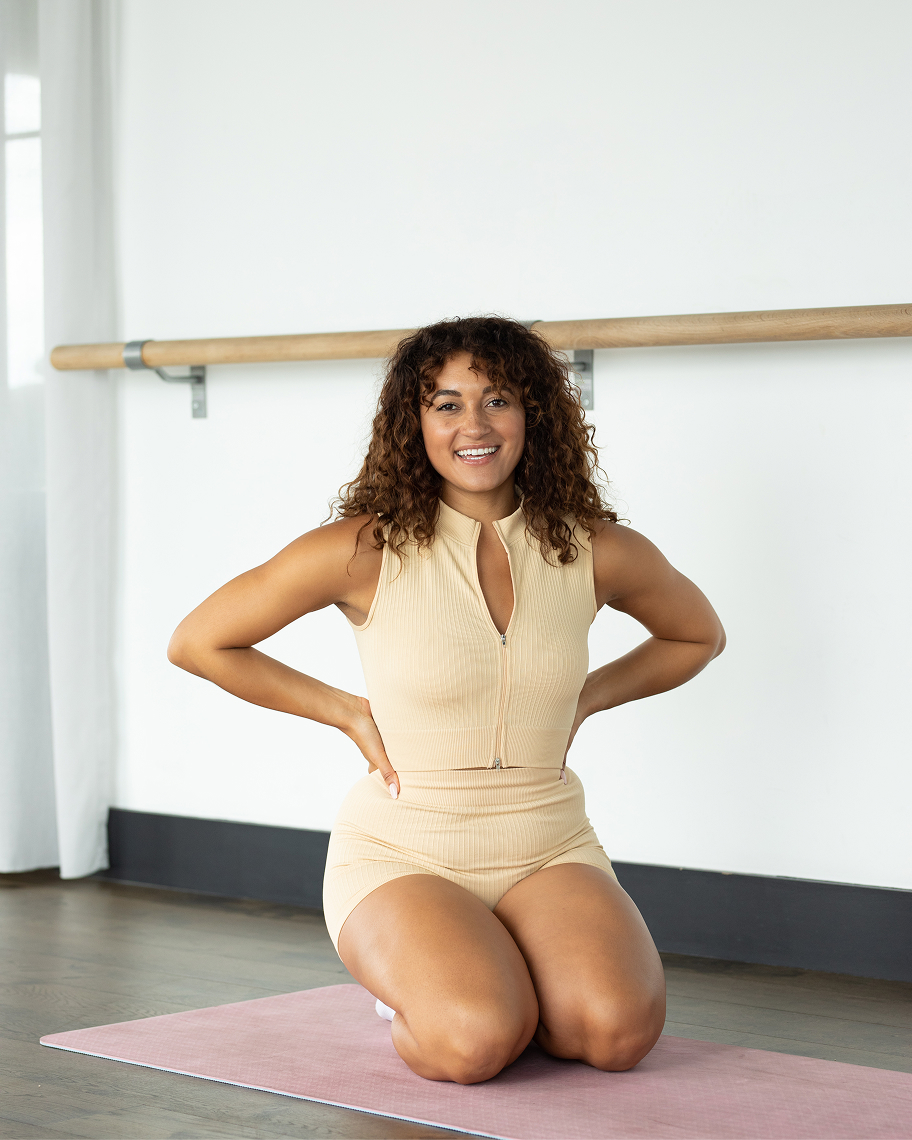
Body By Barre Studio is an online platform founded by Natalie Rose of the 3-2-8 Method that offers virtual Pilates, barre, and strength workouts designed for sustainable, burnout-free weight loss. Along with on-demand workouts, it comes with monthly real-time classes and Q&As, a private member community, and monthly themed challenges.

ClassPass is ideal for people looking to make in-person connections through gyms, fitness studios, salons, and spas. You can book classes, gym time, and experiences right in the app, so you can get involved in your community and find hidden gems near you.

BODi is a fitness subscription that comes with over 225 virtual fitness programs, health meal plans, guidance from renowned trainers, and access to the BODi community so you can connect with other members and stay motivated.