
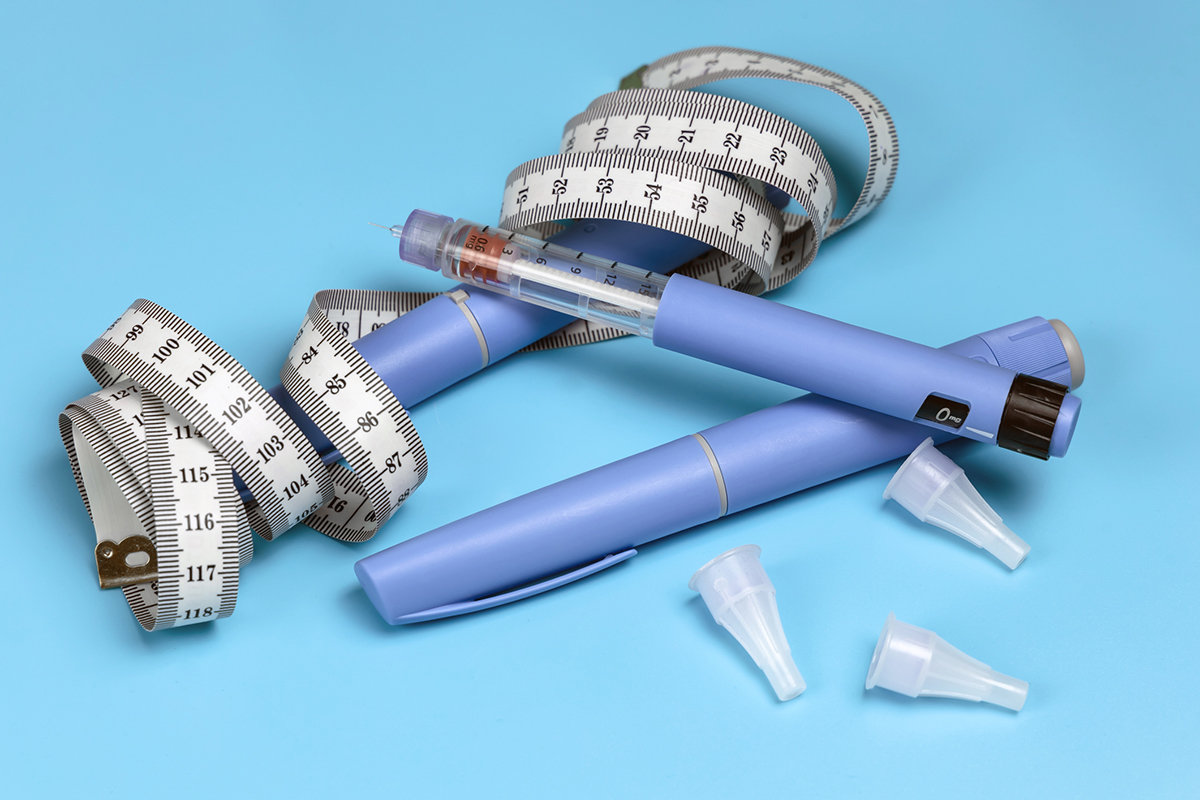
GLPs 101: What They Are & How They Work
Semaglutide, tirzepatide, compounded: what actually sets them apart.
This post contains affiliate links. Stridekick may earn a commission on purchases.
If you’ve spent any time online or talking with friends in the last couple of years, you have undoubtedly heard about GLP-1s. They started as a diabetes medication but have taken off as one of the most talked-about weight loss management tools. So what’s the hype? For many people, it has been about the silencing of the ‘food noise’, or the intrusive, non-stop thoughts surrounding food and eating.
How does a GLP-1 even work?
Our bodies actually naturally produce GLP-1, Glucagon-Like Peptide-1, and this hormone is released from special cells that line our intestines whenever we eat a meal.
Once the GLP-1 is released into our bodies, it plays a few key roles. It tells the pancreas to release insulin, and it slows down digestion so food moves through the gut a bit slower. More recent studies have shown that GLP-1 actually helps to tell our brains when we are full, helping to regulate how much we eat. A big reason why scientists even sparked an interest in GLP-1 was the association that was found between people with obesity producing less GLP-1 compared to those with weights within normal limits. This opened the door (flung it wide open, really) to using GLP-1 hormones as a tool for managing weight and type 2 diabetes.
Our naturally produced GLP-1 actually breaks down within a few minutes, so the lab-manufactured GLP-1s like semaglutide and tirzepatide are specifically designed not to be broken down immediately and can stay in the body for up to five weeks.
Not All GLP-1s Are the Same
"GLP-1" gets used as a catch-all term, but there are a few different medications under that umbrella, and they don't all work identically.
Semaglutide (brand names: Ozempic, Wegovy, and the oral version Rybelsus) is a straightforward GLP-1 receptor agonist. It mimics that one hormone and that's it. It was the drug that kicked off the GLP-1 boom, and it's still one of the most prescribed.
Tirzepatide (Mounjaro, Zepbound) does something semaglutide doesn't: it acts on two hormone receptors instead of one, GLP-1 and GIP together. That dual action is a big part of why head-to-head trials have generally shown tirzepatide producing somewhat greater weight loss than semaglutide, though "somewhat greater" doesn't mean it's automatically the right call for everyone; side effects and response vary person to person.
Liraglutide (Victoza, Saxenda) was around before either of the above and works on GLP-1 alone, like semaglutide. The main practical difference is dosing: liraglutide is a daily injection, while semaglutide and tirzepatide are once a week, which matters if a daily shot is a dealbreaker for you.
None of these are "better" across the board because they differ in mechanism, dosing frequency, and how people tend to tolerate them, and the right one depends on your own health picture. That's a conversation for you and your prescriber, not something to self-select based on which name you've seen most on social media.
Compounded vs Brand Name: What’s the Difference
Brand-name GLP-1s are like Spotify’s Top Hits playlist - its standarized and the same for everyone. Compounded GLP-1s are like the curated playlists that Spotify makes specifically for you based on your listening history. The brand names are going to be the ones you hear about the most frequently, like Ozempic and Wegovy. Compounded GLP-1s use the same active ingredients as the name-brand drugs, but are prepared individually by a licensed compounding pharmacy instead of a drug manufacturer,
The biggest difference is that compounded GLP-1s are not FDA-approved, but much cheaper, whereas brand names are FDA-approved, but can hurt the wallet without insurance. Companies like GobyMeds offer both name-brand GLP-1s as well as compounded semaglutide and tirzepatide, ensuring that you find your perfect fit.
Potential Side Effects & How to Manage Them
As effective as GLP-1s may be, they don’t come without a few bumps in the road. The most common side effects involve your digestive system as you get adjusted to the medication. Everyone's GLP-1 journey is going to differ, but some common side effects include dehydration, nausea, bloating, and hair thinning. Lucky for anyone experiencing these symptoms, the Stridekick Shop is here to help.
LMNT
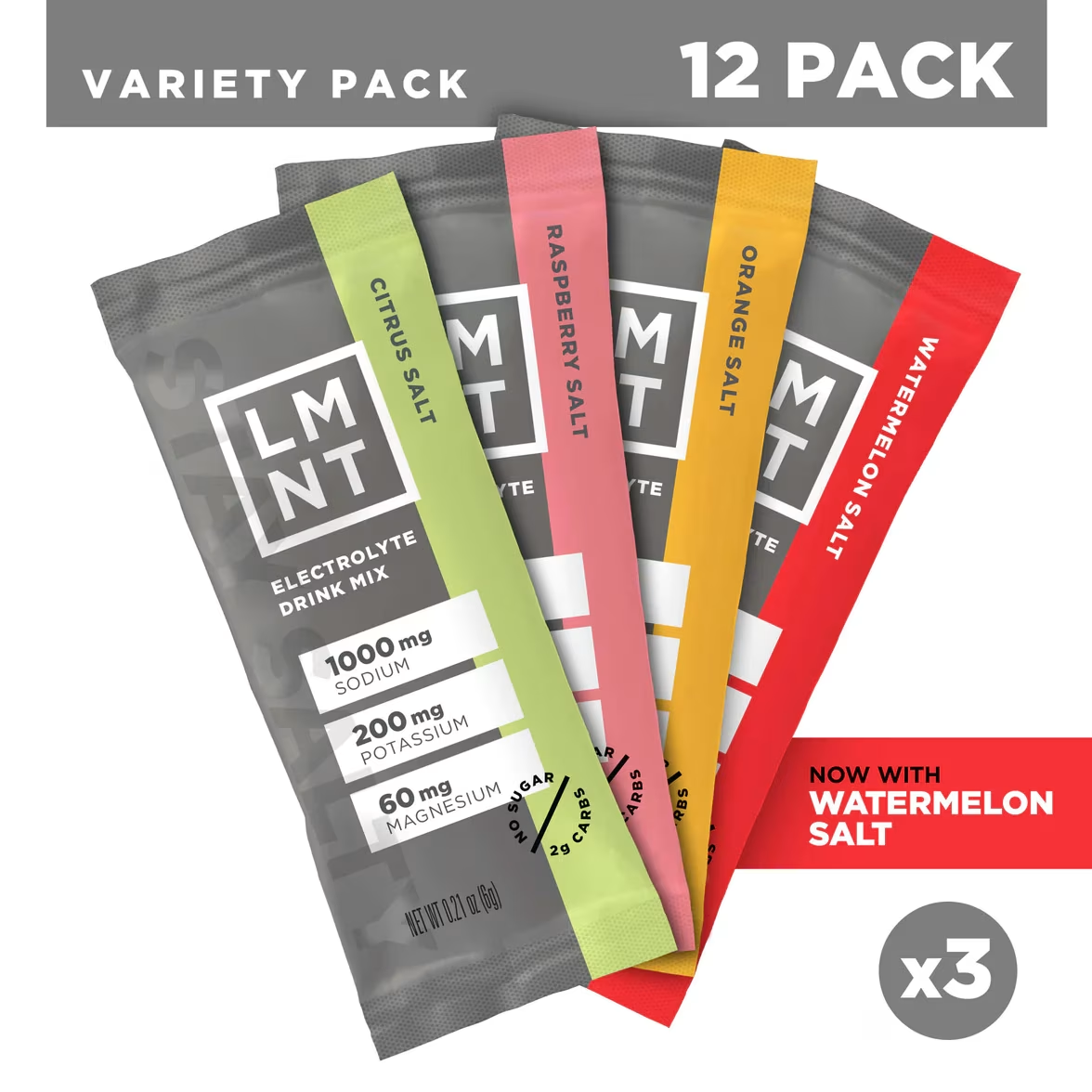
GLP-1s can really dull your thirst cues, which makes dehydration very easy to miss. LMNT’s electrolyte mix gives your body the sodium, potassium, and magnesium it needs to truly rehydrate.
Nutrafol

Rapid weight loss can sometimes trigger temporary hair thinning. Nutrafol is formulated to support hair growth from within, backed by clinical research. It’s available in the Stridekick Shop for both men and women.
Shop Nutrafol Women: Hair Growth Nutraceutical
Shop Nutrafol Men: Hair Growth Nutraceutical
Debloat: Prebiotic and Probiotic by Promix

With digestion slowed down, you may be left feeling more puffy and bloated. Promix’s Debloat blend combines prebiotics and probiotics to support gut balance and ease that uncomfortable, full feeling.
Shop Debloat: Prebiotic + Probiotic by Promix | HSA/FSA Eligible
Ginger Aide by Elix
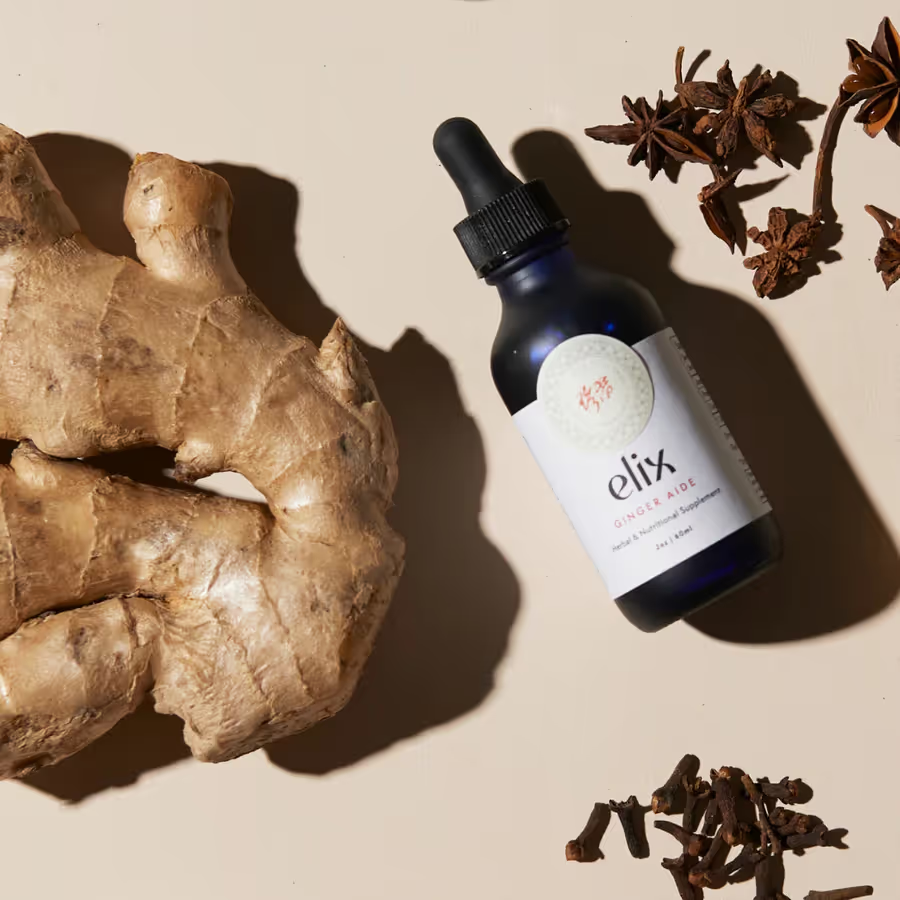
Nausea is the most common side effect of GLP-1s, especially in the beginning. Ginger has long been used to calm an upset stomach. Ginger Aide makes it easy to get that relief in a convenient, ready-to-drink form.
Shop Ginger Aide by Elix | HSA/FSA Eligible
Getting Started on Your GLP-1
Ready to start your GLP-1 journey? GobyMeds offers a starter bundle to ease you into your dosage safely, and Thorne’s GLP-1 Support Stack can help set you up with the nutrition, hydration, and muscle support you’ll need from day one.